

STRIKO spare parts
Replacement rupture discs, holder parts and static mixer components for your STRIKO installed base, from the official STRIKO partner in the Benelux.
- Exclusive STRIKO agent Benelux
- ISO 9001 · KIWA
- Engineering support from Monster (NL)

STRIKO active in rupture discs since
Dutch Valve Vision is the exclusive agent
Quality system, KIWA certified
Advice and supply from the Netherlands
The STRIKO range through Dutch Valve Vision
One point of contact in the Benelux for the complete range.
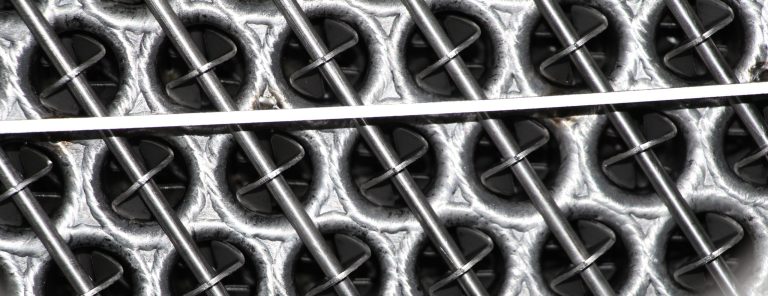
Heat exchangers
STRIKO heat exchangers for process plants.
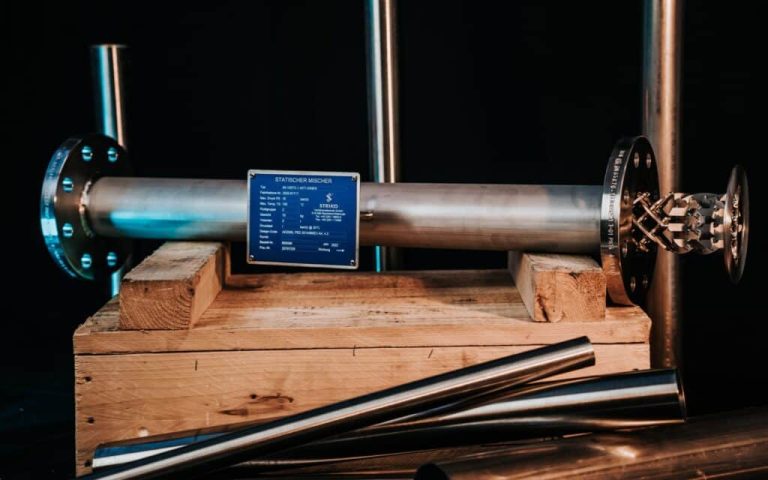
Static mixers
EREstat, Helical, STV and STX, no moving parts.
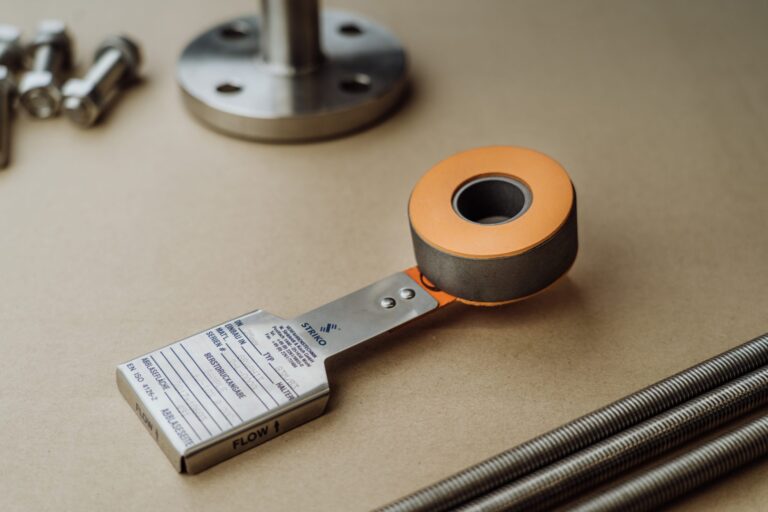
Rupture discs
Flat, forward acting, reverse acting, aseptic, extruder and tank container.
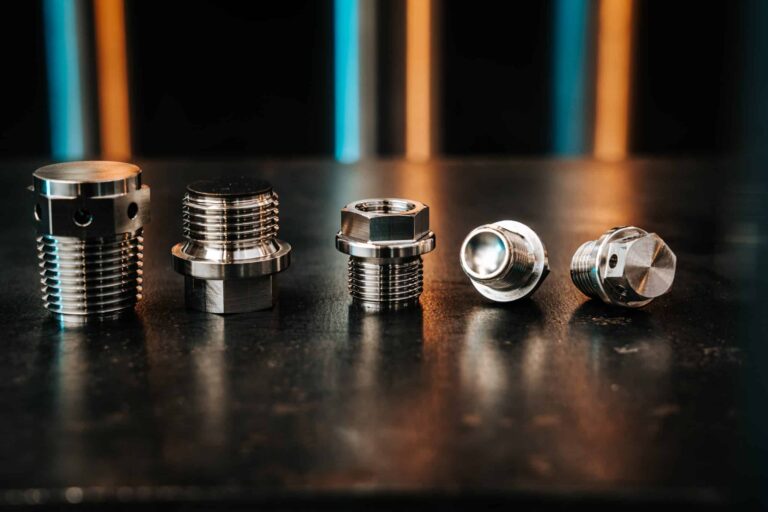
Burst plugs
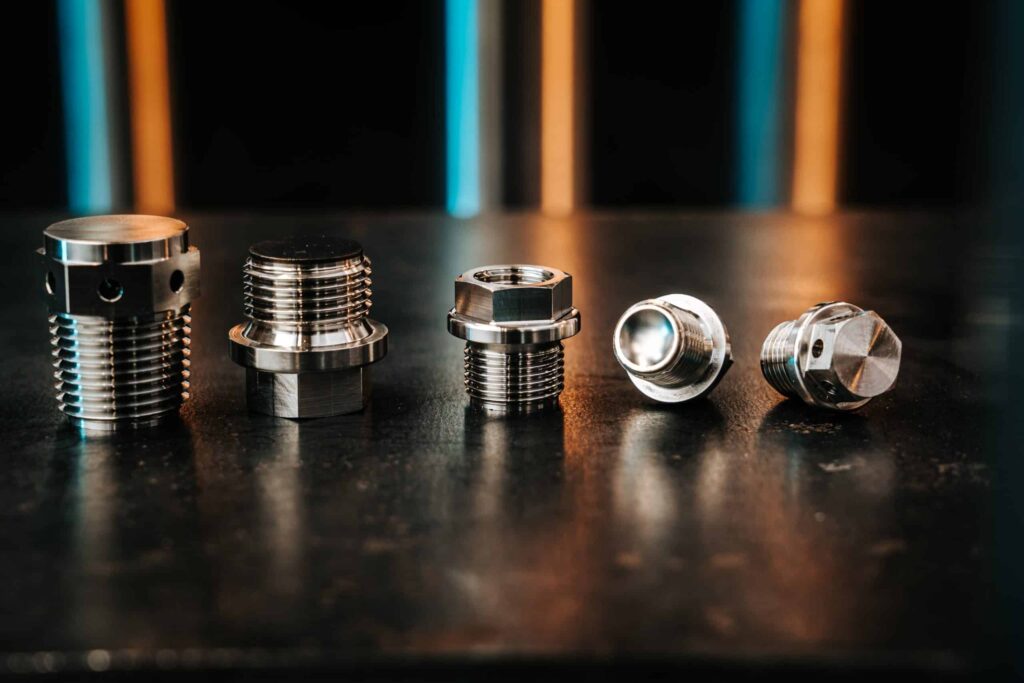
Compact threaded overpressure protection.
STRIKO spare parts: what an installed base really needs
STRIKO spare parts are rarely a planned purchase in the way new equipment is. They are ordered because a rupture disc has burst, because a turnaround is coming, because an audit has asked about reserve stock or because a static mixer came out of the line for inspection and did not look the way it should. In each of those moments the question is the same: where do I get the original part, quickly, and how do I make sure it is the right one?
Dutch Valve Vision is the official partner of STRIKO Verfahrenstechnik GmbH and the exclusive STRIKO agent for the Netherlands, Belgium and Luxembourg. We supply original STRIKO rupture discs and static mixers and the parts that belong to them. Our role goes beyond passing on an order. We offer technical advice on design, selection and application, and we support maintenance teams when parts have to be replaced.
STRIKO has been active in rupture discs since 1974 and is known for solid German engineering and durable products. Its philosophy of testing, evaluating and recalibrating is the reason many plants specified STRIKO in the first place. When it is time to replace a component, it makes sense to protect that choice by staying with the original.
This page is written for the people who keep that installed base running: maintenance engineers, reliability specialists, planners and buyers. It explains which STRIKO spare parts are involved, how to identify them and how to avoid the classic mistakes that cost time during a stop.
Replacement rupture discs: single use by design
The most common of all STRIKO spare parts is the replacement rupture disc. That is not a sign of weakness in the product. It is simply how a rupture disc works. A disc is a non-reclosing device that opens once at its burst pressure and then stays open. After activation it must always be replaced, and until a new disc is in place the process is usually stopped.
That makes timing everything. Imagine a runaway reaction on a Friday afternoon that opens the disc on a reactor. The event itself is handled well, the vessel is safe and the investigation starts. But the plant cannot restart until a correct replacement disc is installed. If there is no disc on the shelf, every hour spent sourcing one is an hour of lost production.
Replacement is also required when a disc is damaged before it has burst. A damaged rupture disc must never be installed, because even small defects can influence the burst pressure. A disc that was dropped during handling, bent during installation or scratched on its surface belongs in the scrap bin, not between the flanges. Storage and handling therefore matter as much as the ordering itself.
Burst plugs follow the same logic. They open once at a predefined pressure, often temperature dependent, and must be replaced after activation. For extruders, where burst plugs are a proven fail-safe, keeping replacement plugs available is part of normal production planning.
Keeping reserve discs on the shelf
Good practice for rupture disc systems includes periodic visual inspection, checking installation conditions, managing a reserve stock of replacement discs and documenting test and maintenance reports. Of these, the reserve stock is the one most often neglected, because it only proves its value on a bad day.
How many reserve discs make sense depends on the number of identical positions on site, the criticality of each position and how often discs are replaced during planned stops. A plant with several identical reactors may cover them with a small common stock. A single, unique position on a critical unit may justify at least one dedicated spare. We are happy to think this through with you based on your installed base, without pushing stock you do not need.
Stored discs need care. Keep them in their original packaging, protected against mechanical damage, and make sure the identification stays with the disc. A spare that cannot be traced back to its specification is worth very little when it matters. When we deliver STRIKO spare parts for stock, we make sure the identification is clear so your storeroom can manage them properly.
Original STRIKO spare parts are available through Dutch Valve Vision, the official STRIKO partner and exclusive agent for the Netherlands, Belgium and Luxembourg. We supply replacement rupture discs, holders and static mixer parts with fast delivery and technical support. Send us the data of your existing equipment and we identify the correct part.
Official STRIKO partner and distributor
Original replacement rupture discs
Holder and static mixer parts
Fast delivery and technical support

Identifying the right STRIKO spare parts
Nothing slows down a replacement order like uncertainty about what is actually installed. Rupture discs look alike to the untrained eye, but two discs of the same diameter can differ completely in type, material and burst pressure. Getting that wrong is not an inconvenience. It changes the safety level of the installation.
The fastest route is the data of the existing part. For a rupture disc, that means the information on the disc tag or in the original documentation, such as the type, nominal size, material, burst pressure and temperature. For a holder, the type, size, flange standard and material. For a static mixer, the series, diameter, length and material of the housing and elements. If the documentation is missing, photos of the installed equipment and its markings help us trace the specification.
It also helps to check whether the process has changed since the original design. A different medium, a new operating pressure or an extra cleaning cycle may mean that a like for like replacement is no longer the best choice. Replacing a disc without reassessing it after a process change is a well known mistake. In that case we look at the process data first and advise whether the existing specification still holds.
Holders and accessories around the disc
Holders are not consumables in the way discs are. A well designed holder is built for long term reuse without degradation of performance, and maintenance is normally limited to visual inspection and periodic replacement of the disc. Still, holders do reach the end of their life, or they stop matching the process.
Typical triggers for replacing a holder are damage to the sealing faces, corrosion caused by the medium, illegible flow and installation markings or a change in the disc type that the old holder does not support. A move from forward acting to reverse acting discs, for example, also means a different holder. When a holder is replaced, it is the right moment to reconsider its material. Options include carbon steel, 316 or 316L stainless steel, duplex and super duplex, and Inconel or Hastelloy for high temperatures and aggressive media.
Burst detection belongs in this conversation too. If you are replacing a holder anyway, adding detection may be easier than at any other time. Detection can be installed as an option or integrated into the disc or holder, so a holder replacement is a natural opportunity to reconsider it.
STRIKO spare parts for static mixers
STRIKO static mixers work without moving parts. There are no bearings, shafts or seals rotating in the medium, so wear is practically absent and regular mechanical maintenance is not needed. That is one of the main reasons plants choose static mixing in the first place. So why would a mixer ever need STRIKO spare parts?
There are three realistic reasons. The first is damage: an element can be damaged by a foreign object, by improper handling during cleaning or by an upset in the process. The second is a process change. STRIKO mixers are configured for a specific viscosity, flow rate and required mixing quality, and when those change, a different element configuration or length may be needed. The third is material. If the medium turns out to be more aggressive than foreseen, the material of the elements or housing may have to change.
STRIKO mixers are designed for easy disassembly for cleaning or inspection. That makes it practical to take the elements out, assess them and decide whether replacement is necessary. Send us the series, diameter, length and material, plus a description or photo of what you found, and we advise on the right replacement.
Specification ready? We will prepare a targeted quote.
Send us medium, pressure, temperature and connection. Our specialists come back with a matching proposal.
Planning STRIKO spare parts around a turnaround
A turnaround is the one moment when every relief device on a unit can be opened, inspected and, where needed, replaced without extra production loss. It is also the moment when missing parts hurt the most, because a stop has a fixed end date and every delay pushes the restart. Planning STRIKO spare parts well ahead of the stop is therefore one of the simplest ways to protect the schedule.
A practical approach starts months before the stop. Walk through the equipment list and mark every position with a STRIKO rupture disc, holder or static mixer. Decide per position whether the disc will be replaced as a matter of policy or only after inspection. Check the documentation of each position, and flag the ones where the data is incomplete or the process has changed. Those flagged positions are exactly the ones that need attention first, because they take the longest to clarify.
With that list in hand, we can confirm the correct original parts, discuss which items make sense to keep as reserve after the stop and point out positions where a different specification may be wiser. On the day the flanges are opened, the right parts are waiting instead of being chased.
Mistakes that cost time during replacement
After many conversations with maintenance teams, the same few mistakes keep coming back. None of them are exotic, and all of them are avoidable.
The first is ordering on diameter alone. Two discs of the same size can differ in type, material and burst pressure, and only the full specification tells them apart. The second is copying an old specification after the process has changed. A new medium, a higher operating pressure or a different temperature during the critical scenario can make the original disc unsuitable. Selecting only on the design pressure, without looking at temperature and pressure peaks, is a known pitfall.
The third mistake happens during installation rather than ordering. Flanges that are not clean and aligned, gaskets that are not centred, a disc mounted against its direction arrow or bolts that are tightened unevenly can all change how the disc behaves. The spare part may be perfect and still end up performing below expectation. Following the installation guidance for every disc change avoids that.
Why original STRIKO spare parts are worth insisting on
It can be tempting to source a disc or an element from whoever quotes the shortest lead time. For a static mixer element, a mismatch may cost mixing quality. For a rupture disc, it may cost far more. A relief system is calculated around the behaviour of a specific disc in a specific holder. A part that looks similar but was made to a different design or tolerance can open at a different pressure, or not open as intended.
Original STRIKO spare parts come from the same manufacturer, the same designs and the same test, evaluate and recalibrate philosophy as the equipment you already trust. As the official distributor of STRIKO products and parts, we can supply them with a clear origin. That matters for your own management of change, for audits and for anyone who has to sign off the installation after maintenance.
How we handle a STRIKO spare parts request
The process is straightforward. You send us the data of the existing part, the quantity and the date by which you need it. We check the specification, ask a targeted question where something is unclear and confirm the correct original part. If the process has changed, we say so and advise on the specification before you order.
For urgent cases during a stop, call us directly on +31 (0)70-2210560. For planned orders and reserve stock, email sales@dutchvalvevision.com. We are available Monday to Friday from 09:00 to 17:00 at our office in Monster, the Netherlands. Dutch Valve Vision works under an ISO 9001 certified quality management system, certified by KIWA, so every order follows controlled procedures and documentation.
Frequently asked questions about STRIKO spare parts
Question not listed? Our specialists are happy to help.
- +31 (0)70-2210560
- sales@dutchvalvevision.com
- Vlotlaan 641, 2681 TZ Monster, the Netherlands
- Mon-Fri 09:00-17:00
Where can I buy original STRIKO spare parts in the Benelux?
You can buy them through Dutch Valve Vision. We are the official partner of STRIKO and the exclusive agent for the Netherlands, Belgium and Luxembourg. That gives Benelux sites a direct route to original STRIKO products and parts. We supply replacement rupture discs, holders and static mixer parts. Our office is in Monster, the Netherlands. You can reach us by phone or email on working days. We also give technical advice on selection and replacement. That way you receive the correct original part for your installation.
Why must a rupture disc always be replaced after it bursts?
A rupture disc is a non-reclosing device. It opens once at its burst pressure and then stays open. It cannot be reset or reused like a safety valve. Until a new disc is installed, the installation has no protection at that point. In most plants the process therefore stays stopped until replacement. That is why a reserve stock of replacement discs is good practice. The holder can normally be reused, provided it is undamaged. We supply the matching original replacement disc.
What information do you need to identify the right part?
For a rupture disc we need the data from the disc tag or original documentation. That includes the type, nominal size, material, burst pressure and temperature. For a holder we need the type, size, flange standard and material. For a static mixer we need the series, diameter, length and material. If documentation is missing, photos of the installed equipment and its markings help. Please also tell us whether the process has changed since installation. A changed process may require a different specification. We check this before confirming the part.
Can I install a disc that was slightly damaged in storage?
No, a damaged rupture disc must never be installed. Even small defects can influence the burst pressure. A dent, a bend or a scratch can make the disc open at a different pressure than specified. Discs should therefore be stored in their original packaging. They must be protected against mechanical damage during handling. The identification should stay with the disc at all times. If a spare turns out to be damaged, replace it with a new one. We can supply a replacement quickly.
How many reserve rupture discs should we keep?
That depends on your installed base and the criticality of each position. Sites with several identical positions can often share a small common stock. A unique position on a critical unit may justify a dedicated spare. The frequency of planned replacements also plays a role. Consider how long the process can afford to stand still after a burst. We are happy to review this with you based on your equipment list. Our aim is a stock that covers the risk without tying up unnecessary capital. The final choice always rests with your maintenance strategy.
Do STRIKO static mixers need spare parts?
STRIKO static mixers have no moving parts, so wear is practically absent. Regular mechanical maintenance is not required. Spare parts become relevant when an element is damaged. They are also needed when the process changes and a different configuration is required. A more aggressive medium can call for a different material. The mixers are designed for easy disassembly for cleaning or inspection. That makes it simple to assess the elements. We advise on the right replacement based on your findings.
Can I replace a holder together with the disc?
Yes, and sometimes that is the sensible choice. Holders are built for long term reuse, but they can wear or stop matching the process. Damaged sealing faces, corrosion or illegible markings are clear reasons for replacement. A change in disc type also usually means a different holder. A holder replacement is a good moment to reconsider the material. It is also a natural opportunity to add burst detection. We advise on the complete combination of disc, holder and detection. That keeps the assembly consistent with the relief design.
How fast can you deliver STRIKO spare parts?
Fast delivery is one of the things we focus on as STRIKO partner. The actual delivery time depends on the part and its specification. Standard items can often be arranged quicker than specially configured parts. For urgent needs during a stop, call us directly so we can act at once. For planned work, order in good time to avoid pressure on the schedule. Complete data in your first request saves valuable time. We always confirm the expected delivery with the order. That gives your planning a firm basis.
Order your STRIKO spare parts
Send us the tag or documentation data of the existing disc, holder or mixer, the quantity and the required date. We confirm the correct original part and delivery.
- +31 (0)70-2210560
- sales@dutchvalvevision.com
- Vlotlaan 641, 2681 TZ Monster, the Netherlands
- Mon-Fri 09:00-17:00