
Rupture disc burst indicator
How burst detection works, why fail-safe matters and how the signal reaches your control system, including ATEX points.
- Exclusive STRIKO agent Benelux
- ISO 9001 · KIWA
- Engineering support from Monster (NL)

Electrical loop or magnetic detection
Fail-safe: sensor faults are reported
Signal to PLC, DCS or SCADA
ATEX certified versions for hazardous areas
Why a rupture disc burst indicator belongs on critical positions
A rupture disc burst indicator answers a question that sounds trivial until the day it matters: has the disc opened? Picture a vent line on the roof of a production building, running from a reactor to a catch tank. The disc on that line sits several floors above the control room, behind insulation, out of sight. One night a short pressure peak opens it. The process carries on, pressure normalises, nothing looks wrong on the screens. Yet the relief path is now permanently open, and a volatile medium slowly finds its way out. Without detection, the opened disc may only be found during the next routine inspection, long after the leak started.
That scenario explains why we recommend burst detection for safety-critical positions. A rupture disc is designed to be the last line of defence, and it does that job without power, sensors or control. But once it has done its job, someone needs to know. The disc itself cannot tell you. A sensor can.
Now replay the same night with detection fitted. The disc opens, the loop breaks and within seconds an alarm appears in the control room. The operator sees which position has opened, isolates the feed and sends someone to check the catch tank. What could have been a slow, invisible release becomes a controlled event with a clear timeline. That difference is the entire case for burst detection.
At Dutch Valve Vision we supply detection as part of our pressure protection programme, next to the STRIKO rupture discs for which we are the exclusive agent in the Netherlands, Belgium and Luxembourg. On this page we look at how a rupture disc burst indicator works, which detection principles exist, why fail-safe design is essential, how the signal reaches your control system and what to consider in hazardous areas.
What a rupture disc burst indicator actually does
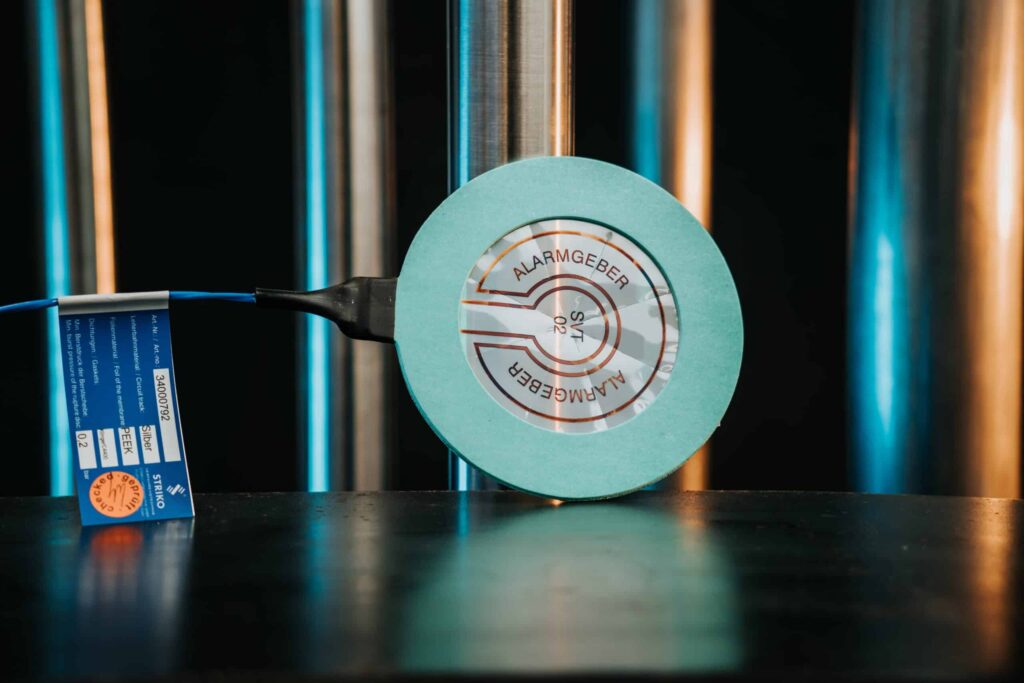
A burst indicator is an electronic or mechanical sensor that monitors the status of a rupture disc and gives a signal as soon as the disc opens. That signal can be used to inform the process control system, activate alarms or initiate an automatic shutdown. In short, it turns a mechanical event into information.
The benefits follow directly. First, you get an immediate warning when a disc bursts or tears, which means leakage of hazardous substances is detected straight away and the process can be stopped before an incident escalates. Second, the time during which medium escapes is kept to a minimum, which reduces the risk of injury, environmental damage and business loss. Third, maintenance becomes more efficient, because you know which disc has opened and do not have to rely only on walking the plant to find out.
There is an environmental angle as well. In plants handling hazardous or toxic media, detection prevents emissions from escaping unnoticed. That supports compliance with environmental and safety requirements and gives operators a clear record of when a relief event took place.
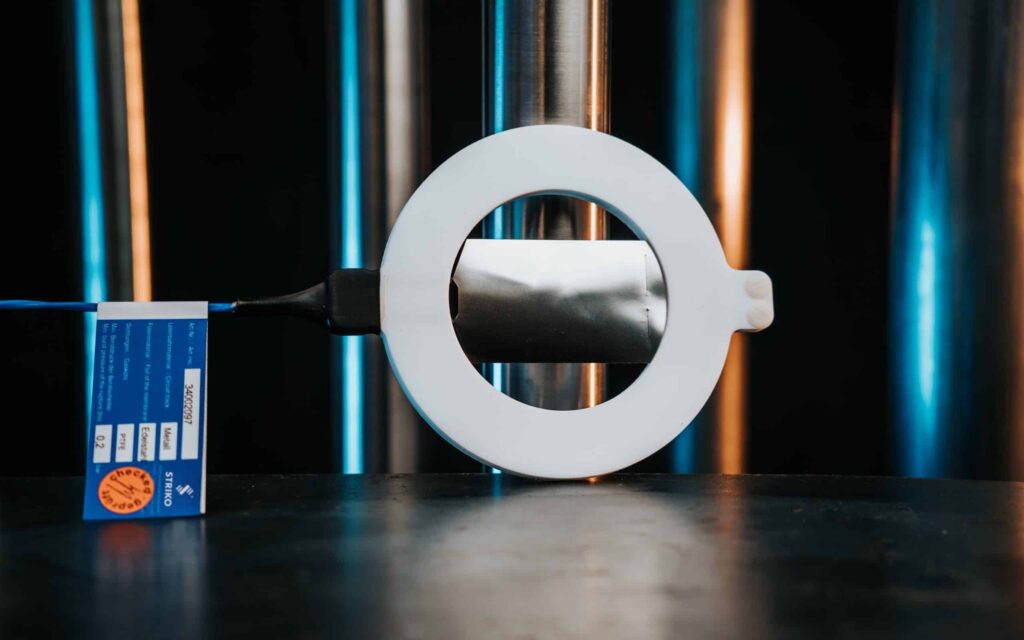
Two detection principles: electrical loop and magnetic field
Detection systems range from mechanically simple to technically advanced, depending on the application. The two principles we come across most are electrical detection and magnetic detection.
Electrical loop detection
With electrical detection, the sensor monitors an electrical loop that is interrupted when the disc bursts. As long as the disc is intact, current flows through the loop and the monitoring unit sees a closed circuit. When the disc opens, the loop is broken, the current stops and the unit generates a signal. The principle is easy to understand and easy to test, which is one reason it is widely used.
Magnetic detection
With magnetic detection, a magnet attached to the disc creates a magnetic field that the sensor reads. When the disc bursts and the magnet moves, the field changes and the sensor triggers. A key advantage is that some magnetic systems do not come into contact with the process medium at all. That keeps them functional even with aggressive substances that would attack a conventional sensor element.
The choice between the two depends on the medium, the disc type, the holder design and the way your plant prefers to monitor safety devices. Both can be integrated in the disc or in the holder, and both deliver a signal that your automation system can use.
A rupture disc burst indicator is a sensor that monitors the disc and sends a signal the moment it opens, so the control system can shut down the process and warn personnel. Detection works through an electrical loop that is interrupted or a magnetic field that changes, and good systems are fail-safe. Dutch Valve Vision supplies detection for STRIKO discs, with integration into PLC, DCS or SCADA and ATEX certified versions for hazardous areas.
The fail-safe principle: no signal must never mean all is well
Any rupture disc burst indicator has a weak point if it is designed carelessly. Imagine a cable that is damaged, a connector that corrodes or a sensor that simply fails. If the system then stays silent, the control room assumes the disc is intact while in reality nobody is watching it anymore. That is a false negative, and in safety terms it is the worst possible failure.
Good detection systems are designed on fail-safe principles. A defect in the sensor itself also generates a safe notification, so a false negative is prevented. In practice that means a broken wire or a lost signal is treated the same way as a burst disc, or at least as a fault that requires attention. The operator may occasionally be called out for a sensor problem rather than a real opening, but that is a price every safety engineer is happy to pay.
When we specify detection, fail-safe functionality is one of the first things we look at. A sensor that reports its own failures is worth far more than one that is slightly cheaper and fails silently.
What we need for the right selection
- Medium and composition
- Operating pressure and pressure peaks
- Required burst pressure
- Temperature, normal and in the relief scenario
- Connection and installation space
Designs in the STRIKO range
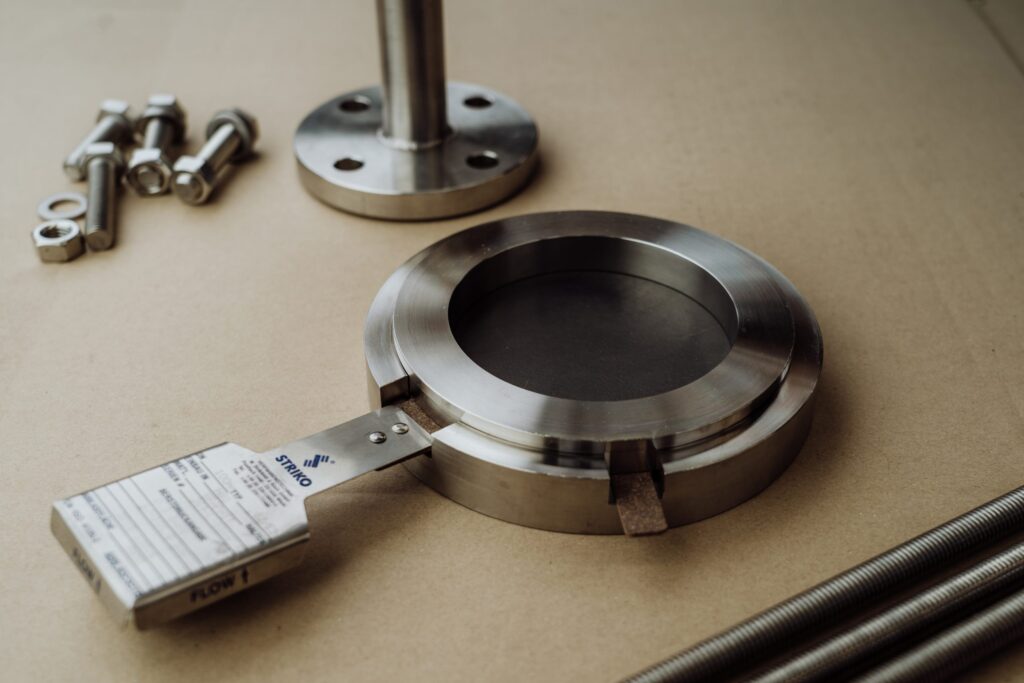
Every application needs its own rupture disc. These are the designs we supply most often.
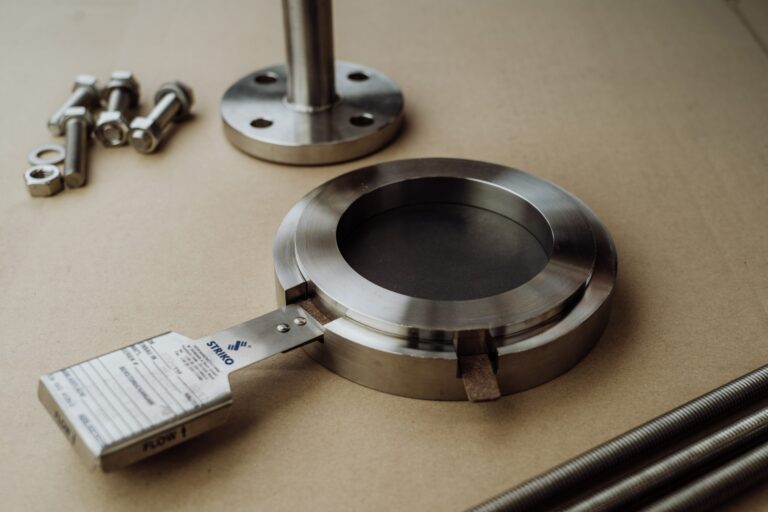
Graphite rupture disc
Corrosion resistant without coating, DN25 to DN400, between ANSI or DIN flanges.

Rupture disc holder
Correct positioning, reproducible loading and a reliable seal.
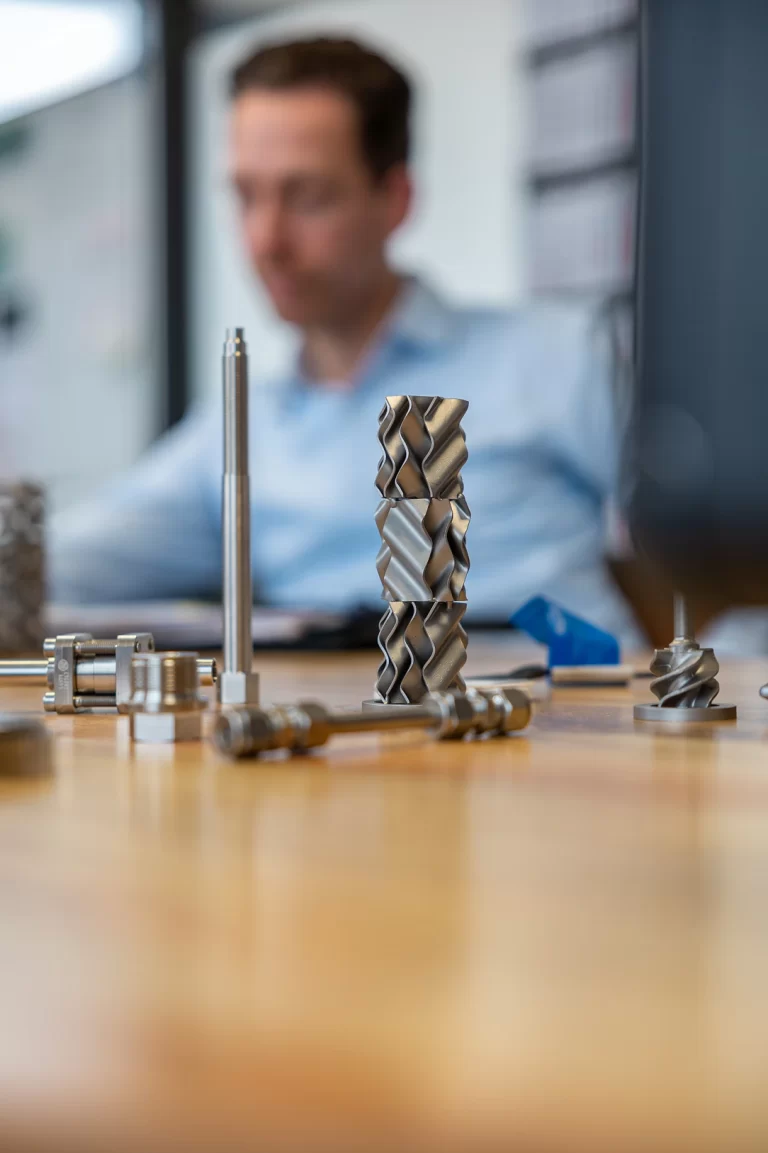
Reverse acting rupture disc
Loaded in compression, resistant to pressure cycling.
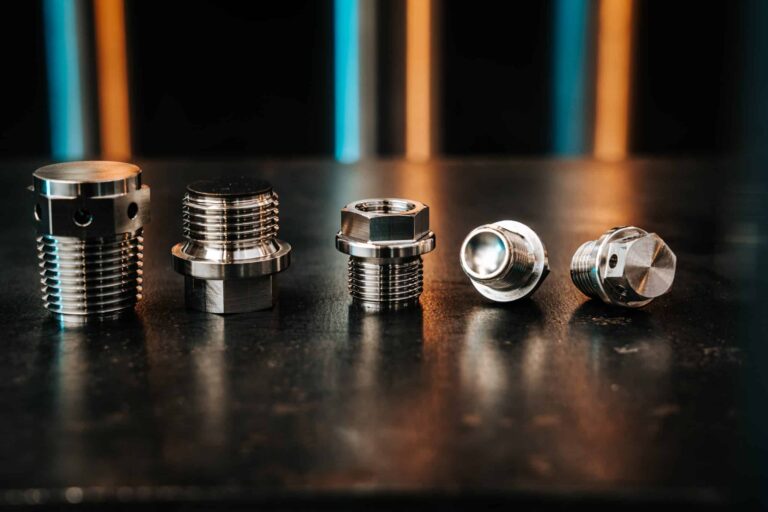
Extruder rupture disc
Built for the pressure peaks of plastics processing.
From sensor to control system: PLC, DCS and SCADA
A signal only has value if it reaches the right place. Detection signals can be connected directly to control and automation systems such as a PLC, a DCS or a SCADA platform. Once the disc opens, the process can be shut down automatically and personnel warned, without anyone having to inspect the disc first.
How that signal is used is a design decision for your plant. On some positions it is an alarm for the operator, who then decides on the next step. On others it is a direct trip that closes feed valves or stops a reactor. In an arrangement where a disc protects a relief valve against a corrosive medium, the rupture disc burst indicator tells you that the disc upstream of the valve has opened, which is important information for the valve owner as well.
Integration capability is therefore a selection criterion in its own right. The detection must be compatible with the monitoring platform you already have. When we discuss detection with you, we ask which system receives the signal and how your instrument engineers prefer to wire safety devices. That avoids a sensor that works perfectly on the bench and turns into a puzzle on site.
Specification ready? We will prepare a targeted quote.
Send us medium, pressure, temperature and connection. Our specialists come back with a matching proposal.

ATEX, chemical compatibility and the installation environment
Rupture discs are often installed in exactly the places where the atmosphere is least forgiving. Detection is used across petrochemistry, energy production, food and beverage, chemical processing and pharmaceutical production, and in many of those plants the area around the disc is classified as potentially explosive.
For explosive atmospheres, ATEX certification of the detection equipment is essential. A sensor or monitoring unit that is not suitable for the zone in which it is installed introduces an ignition risk at the very spot where you are trying to reduce risk. We therefore always ask for the area classification before we propose a rupture disc burst indicator.
Chemical compatibility is the second environmental factor. The sensor and its cabling have to withstand both the medium and the ambient conditions. A corrosive vapour that escapes after an opening, cleaning agents used during maintenance or simply outdoor weather can all attack materials that were not chosen with care. Where the medium is very aggressive, a detection principle that stays out of contact with it is often the better route.
The third factor is the installation itself. Reactors, boiler installations and pressure lines each have their own layout, vibration levels and access constraints. The sensor has to fit the holder or disc without compromising the relief function and without making disc replacement more difficult.
Where a rupture disc burst indicator adds the most value
Not every disc needs detection, and we are the first to say so. A disc on a small utility line in plain view, with a harmless medium, may be adequately covered by visual inspection. The picture changes quickly when one or more of the following conditions apply.
The first is distance. A disc on a roof, in a pipe rack or inside an enclosure is rarely looked at. The further a disc is from the people who operate the plant, the more detection is worth. The second is the medium. Toxic, flammable or environmentally harmful media should never escape unnoticed, and detection shortens the time between opening and response to the time it takes a signal to travel through a cable.
The third is the process consequence. If an opened disc means that a reactor loses its inert blanket, that a vacuum process draws in air or that a batch is contaminated, the operator needs to know at once rather than at the end of the shift. The fourth is the arrangement of relief devices. When a disc is installed upstream of a relief valve to keep a corrosive medium away from the valve, detection in the space between them shows whether the disc is still intact and therefore whether the valve is still protected.
Sectors differ as well. In petrochemistry and chemical processing, detection is often part of the protection of reactors and pressure lines. In energy production, it supports boiler installations. In food, beverage and pharmaceutical production, it helps protect processes where an unnoticed opening could compromise product quality as much as safety. In each case the question is the same: what happens if this disc opens and nobody knows?

Testing and maintaining burst detection
A rupture disc burst indicator is part of your safety instrumentation, so it deserves the same discipline as other safety devices. During routine inspections, check the condition of the sensor, the cabling and the connections, and confirm that the monitoring unit still reports a healthy status. A fail-safe system makes that easier, because a broken loop or a lost signal will already have shown up as a fault.
After a disc has opened, the detection has to be restored along with the new disc. Depending on the detection principle, that may mean replacing a detection element or checking and resetting the sensor. We make sure that procedure is clear when the detection is specified, and we advise including the relevant detection parts in your spare stock alongside the replacement discs. There is little point in having a new disc on the shelf if the position cannot go back into monitored service.
Specifying a rupture disc burst indicator with Dutch Valve Vision
Detection is not always supplied as standard with a rupture disc. It can be installed as an option or integrated in the disc or holder, and we recommend specifying it for safety-critical applications. The best moment is at the start, when disc, holder and sensor are selected together. That way the fit, the cable routing and the ATEX requirements are resolved in one step. Adding detection to existing positions is also something we discuss with you, based on the disc and holder already installed.
To propose a suitable rupture disc burst indicator, we need the disc type and size, or the details of the existing disc and holder. We also ask for the medium and ambient conditions, the area classification and the control system that will receive the signal. Tell us whether the signal should trigger an alarm or a trip, so we can take that into account in the choice of detection.
As a company we work under a KIWA certified ISO 9001 quality management system and supply to both DIN and ANSI standards. Send your request to sales@dutchvalvevision.com or call +31 (0)70-2210560, Monday to Friday from 09:00 to 17:00.
Frequently asked questions about rupture disc burst indicator
Question not listed? Our specialists are happy to help.
- +31 (0)70-2210560
- sales@dutchvalvevision.com
- Vlotlaan 641, 2681 TZ Monster, the Netherlands
- Mon-Fri 09:00-17:00
How does a rupture disc burst indicator work?
A burst indicator monitors the rupture disc and reacts when it opens. The most common principles are an electrical loop and a magnetic field. With a loop, the circuit is broken when the disc bursts. With a magnetic sensor, a magnet on the disc moves and the field changes. In both cases the monitoring unit generates a signal. That signal goes to a PLC, DCS or SCADA system. The control system can then raise an alarm or shut down the process. The disc itself keeps working purely mechanically.
Why is fail-safe design so important for burst detection?
A detection system that fails silently gives a false sense of security. The control room would assume the disc is intact while nobody is actually watching it. That is called a false negative. A fail-safe system reports a defect in the sensor itself as well. A broken wire or lost signal therefore produces a notification. Operators may occasionally be called out for a sensor fault instead of a burst. That is acceptable in safety terms. We treat fail-safe functionality as a key selection criterion.
Can a burst indicator be connected to our DCS?
Yes, detection signals can be connected to a DCS, a PLC or a SCADA platform. The signal can be used as an operator alarm or as a direct trip. Which option fits depends on the risk assessment of your plant. The detection must be compatible with the system you already use. We ask about your control platform during selection. That prevents interface problems during commissioning. Your instrument engineers remain in charge of the logic in the control system. We make sure the sensor delivers a signal they can work with.
Is burst detection suitable for ATEX zones?
Burst detection can be used in explosive atmospheres. For those areas ATEX certification of the equipment is essential. A sensor that is not suitable for the zone adds an ignition risk. We therefore always ask for the area classification first. The sensor and monitoring unit are then selected accordingly. Cable routing and connection also need attention in hazardous areas. We resolve these points together with the choice of disc and holder. That keeps the whole relief position consistent with your zone classification.
Does the sensor come into contact with the process medium?
That depends on the detection principle. Some systems, such as magnetic sensors, do not touch the process medium at all. They therefore keep working with media that would attack a conventional sensor. Other designs have elements closer to the disc. In every case the sensor and cabling must be compatible with the medium and ambient conditions. That includes vapours released after an opening. Cleaning agents and outdoor weather also play a role. We choose the principle that suits your medium and environment.
Is a burst indicator supplied as standard with a rupture disc?
No, burst detection is not always included as standard. It can be installed as an option or integrated in the disc or holder. We recommend specifying it for safety-critical applications. The best moment is when the disc and holder are selected. That way fit and wiring are resolved in one step. Detection for existing positions can also be discussed. We then look at the disc and holder already installed. Either way, the decision is made per position based on the risk.
Where are rupture disc burst indicators typically used?
Detection is used in petrochemistry, energy production, food and beverage, chemical processing and pharmaceutical production. Typical positions are reactors, boiler installations and pressure lines. It is especially valuable where the disc is remote or hard to see. It is equally important when the medium is toxic or harmful to the environment. Detection prevents emissions from escaping unnoticed. It also supports compliance with environmental and safety requirements. In a disc and relief valve combination it tells the owner that the disc has opened. We help you decide which positions benefit most.
What do you need to propose a burst indicator?
We need the disc type and size, or details of the existing disc. The holder type is equally relevant. We ask for the medium and the ambient conditions around the disc. The area classification tells us if ATEX equipment is required. We also need to know which control system receives the signal. Tell us whether the signal should act as an alarm or a trip. Any company standards for safety instrumentation help as well. With that information we propose a detection solution that fits your plant.
Add detection to your rupture discs
Tell us the disc and holder type, the medium, the area classification and the control system you use. We propose a matching detection solution.
- +31 (0)70-2210560
- sales@dutchvalvevision.com
- Vlotlaan 641, 2681 TZ Monster, the Netherlands
- Mon-Fri 09:00-17:00