
Graphite rupture disc
Corrosion-resistant pressure relief without a coating: sizes, mounting, options and selection of graphite discs.
- Exclusive STRIKO agent Benelux
- ISO 9001 · KIWA
- Engineering support from Monster (NL)
Corrosion resistant without extra coating
Sizes from DN25 to DN400
Fits ANSI or DIN flanges
Optional TFE coating and vacuum support
When metal gives up: the case for a graphite rupture disc
A graphite rupture disc usually enters the conversation after a metal disc has let someone down. Picture a hydrochloric acid line in a chemical plant. The stainless steel disc on the storage tank looked fine at the last inspection, but corrosion has been thinning the membrane from the process side. Nobody can say exactly what its burst pressure is anymore. That uncertainty is the real problem. A pressure relief device you cannot trust is worse than an inconvenience, because the whole point of fitting it is certainty.
This is the territory where graphite makes sense. Graphite is naturally resistant to many chemicals, including acids, bases and strongly aggressive media, and it needs no additional coating to achieve that. Where stainless steel or other metal discs degrade quickly, a graphite rupture disc keeps its properties and therefore keeps its burst pressure where it was designed to be.
At Dutch Valve Vision we supply graphite discs as part of our pressure protection programme, next to the metal range of STRIKO, for which we are the exclusive agent in the Netherlands, Belgium and Luxembourg. On this page we look at what graphite brings, which sizes and mounting options are available, which extras you can specify and how to install and maintain a graphite rupture disc so it performs as intended.
What a graphite rupture disc actually does
Functionally, a graphite rupture disc does the same job as any other disc. It is a single use, non-reclosing safety component that breaks once the internal process pressure exceeds a predetermined limit. There are no actuators and no sensors needed for the relief itself. The action is purely mechanical, which makes it faster than many safety valves, independent of external energy and very low in maintenance.
What sets graphite apart is the way it opens. When a graphite disc bursts, it opens across the full diameter. That gives a fast and controlled release of pressure, which matters when a pressure peak builds up quickly, for example with a sudden gas evolution in a reactor. Until that moment, the disc is 100% leak tight. No emissions escape during normal operation, which is exactly what you want with corrosive or toxic media.
Think about what that means on the discharge side as well. When the disc opens, the medium leaves the vessel through the disc and into the blow-off line. The full opening helps the flow get going without the disc itself becoming a restriction. The discharge line still needs to lead to a safe place, such as a scrubber, a catch tank or a collection system, and that is part of the design discussion we have with every customer. A disc that opens perfectly into a discharge line that ends in the wrong place solves one problem and creates another.
Graphite discs are suitable for gases, vapours and liquids. The thermal stability of graphite gives a broad temperature range, so the same material family can be used in low and high temperature processes across chemistry, energy production and refining.
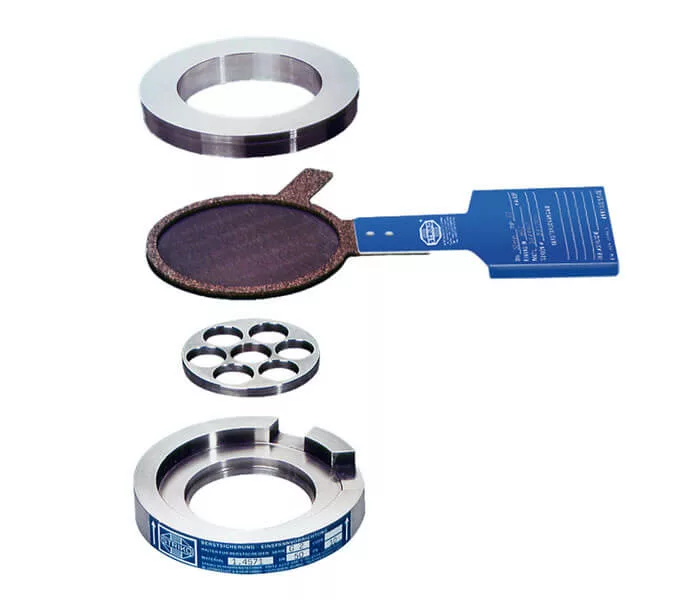
Corrosion resistance without a coating
The most common alternative to graphite is a metal disc in a more exotic alloy or a metal disc with a protective layer. Both can work. Both also add cost, and a coated metal disc brings a question every engineer should ask: what happens if that layer gets damaged during installation or wears through in service? The metal underneath is then exposed to exactly the medium it was protected from.
A graphite rupture disc sidesteps that question. The corrosion resistance is in the material itself, not in a layer on top of it. For acid and alkaline service, for bleaching and caustic chemistry and for many aggressive reagents, that makes graphite a logical first candidate. Practice points the same way: graphite is typically chosen for aggressive chemistry and for low burst pressures, two situations where metal discs struggle.
Low burst pressures deserve a word of their own. The lower the burst pressure, the thinner and more delicate a metal membrane has to be, and the more sensitive it becomes to corrosion and handling. Graphite is a practical answer in that range, because its corrosion resistance does not depend on wall thickness in the same way.
Three ways to deal with a corrosive medium
When a medium attacks standard 316 stainless steel, engineers generally have three routes. The first is a higher alloy. For metal discs we can offer Hastelloy and titanium as alternatives to 316 stainless steel, and in some services that is the right answer, particularly when the pressure is high or the load is cyclic. The price of that route is usually a more expensive disc, and the alloy still has to be compatible with every component in the medium, including trace contaminants that are easy to overlook.
The second route is a protective layer on a metal disc. That can work, but the protection is only as good as the layer, and the layer is only as good as the handling it survived during transport, storage and installation.
The third route is to change the material altogether and fit a graphite disc. The resistance then comes from the bulk of the material and there is no layer to damage. For acids, alkalis and many aggressive reagents at moderate and low pressures, that is often the most robust and economical choice. The decision is not ideological. We put the three routes next to each other for your medium and your pressure, and the process data decide.
A typical example is a batch plant that switches products. One week the reactor handles a mildly corrosive mixture, the next week something far more aggressive. A metal disc selected for the first product may be quietly damaged by the second. A graphite disc is more tolerant of that variation, and that tolerance is one reason to consider graphite for the most exposed positions in a multi-product plant.
Where graphite reaches its limits
Graphite is not the answer to everything. It is a brittle material compared with metal, so it does not like being dropped, bent or clamped unevenly. It asks for careful handling and a disciplined installation routine. For high pressure duties or heavy cyclic loads, a forward acting or reverse acting metal disc is usually the better fit. We would rather tell you that at the selection stage than find out after a premature burst.
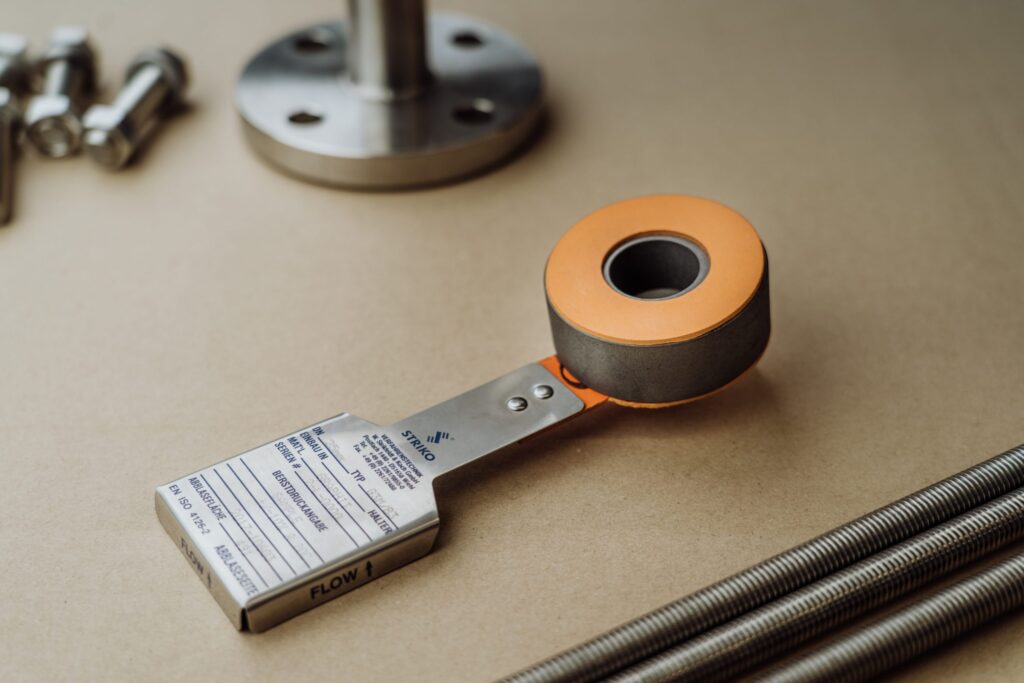
A graphite rupture disc is a non-reclosing pressure relief device made of corrosion-resistant graphite, suited to acids, bases and other aggressive media without an additional coating. Dutch Valve Vision supplies graphite discs from DN25 to DN400 for mounting between ANSI or DIN flanges or in a holder, with optional TFE coating, burst detection and vacuum support.
Graphite rupture disc sizes, flanges and mounting
We supply the graphite rupture disc in nominal sizes from DN25 to DN400. That range covers small instrument and sample lines as well as large vessel nozzles and tank outlets. The burst pressure is set to your specification, so the disc is matched to the safe working pressure of the system it protects.
Mounting is flexible. A graphite disc can be installed directly between ANSI or DIN flanges, or in a holder. Direct mounting between standard flanges is often possible without a separate holder, which makes installation simpler and more cost-effective. For many retrofit situations that is a strong argument: the disc fits the existing flange pair and you do not need to modify the piping.
A holder still has its place. It protects the disc during installation, makes it easier to add detection and helps with positioning in lines with pulsating pressure. Because Dutch Valve Vision supplies to both DIN and ANSI standards, a European process line with PN flanges and an internationally specified installation with ASME class flanges can both be served from the same source.
What we need for the right selection
- Medium and composition
- Operating pressure and pressure peaks
- Required burst pressure
- Temperature, normal and in the relief scenario
- Connection and installation space
Designs in the STRIKO range
Every application needs its own rupture disc. These are the designs we supply most often.

Rupture disc holder
Correct positioning, reproducible loading and a reliable seal.
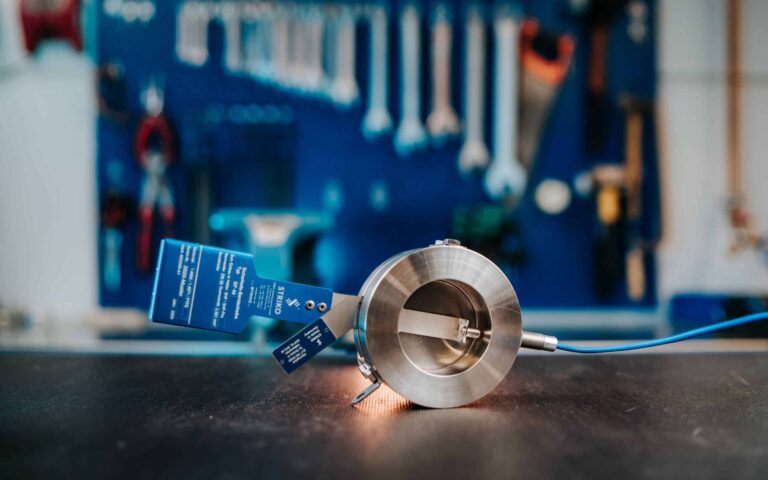
Burst indicator
Signals an opened disc directly to PLC, SCADA or DCS.
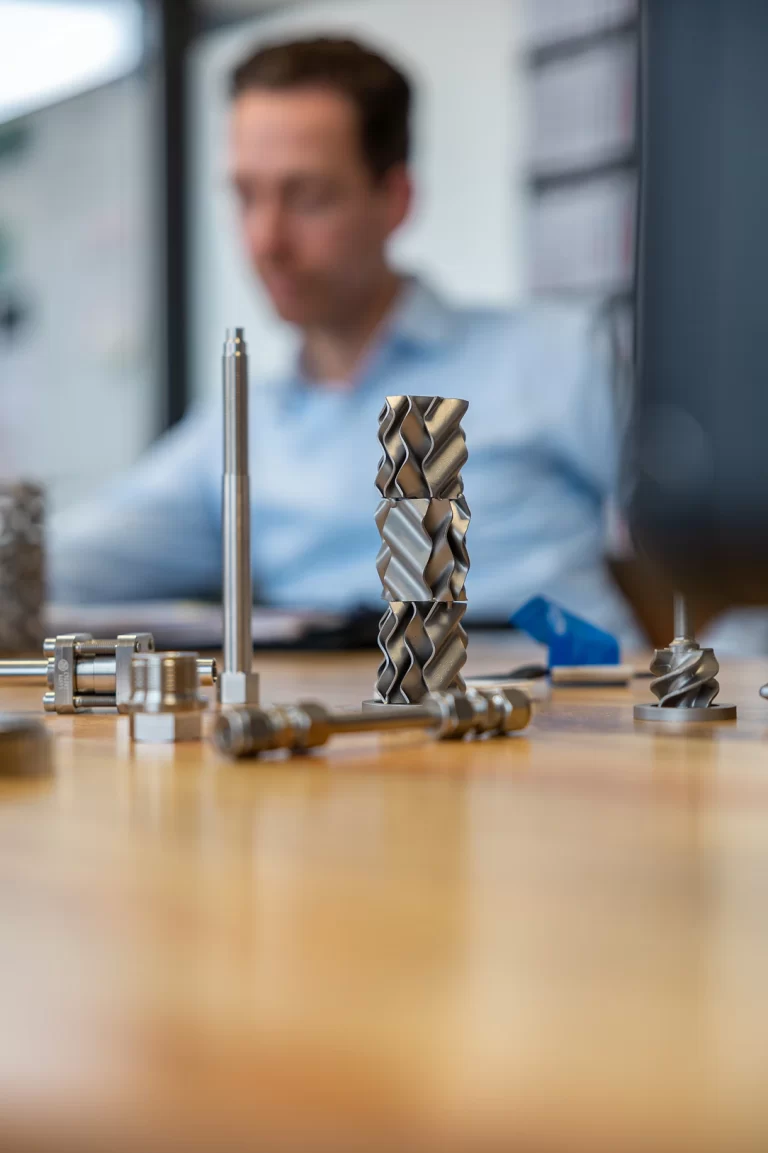
Reverse acting rupture disc
Loaded in compression, resistant to pressure cycling.
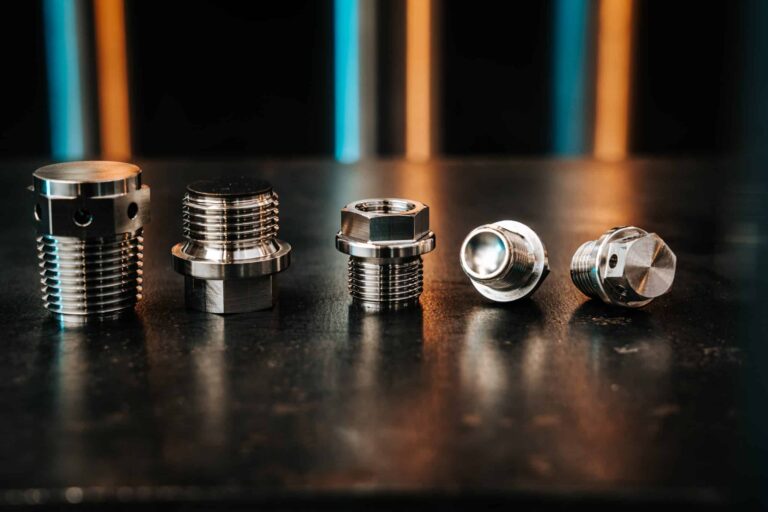
Extruder rupture disc
Built for the pressure peaks of plastics processing.
Options: TFE coating, burst detection and vacuum support
The basic graphite rupture disc already covers a lot of ground, but three options let you tailor it to your process.
Optional TFE coating
Although graphite needs no coating for its corrosion resistance, an optional surface treatment such as a TFE coating is available. It can be considered when the process calls for a particular surface on the media side, for example to reduce adhesion of product or to meet a specific material requirement in their specification. We look at the medium together with you and advise whether the coating adds value or whether plain graphite does the job.
Burst detection
An opened disc on a corrosive line is not something you want to discover at the next walk-round. Burst detection can be added to a graphite disc so that an opening is signalled immediately. The signal can be passed to a PLC, SCADA or DCS system, where it can trigger a shutdown and alert personnel. In explosive atmospheres the detection must be ATEX certified.
Vacuum support
Many chemical processes see vacuum as well as overpressure. A vessel that is emptied, cooled or cleaned can pull a vacuum that pushes the disc the wrong way. A vacuum support prevents the graphite membrane from being damaged by that reverse load, so the disc is still intact and still reliable when overpressure does occur.
Specification ready? We will prepare a targeted quote.
Send us medium, pressure, temperature and connection. Our specialists come back with a matching proposal.
Industries that rely on a graphite rupture disc
In chemical plants, graphite discs protect reactor vessels, piping for acids and alkaline solutions and storage installations. Oil and gas refining places high demands on both material resistance and pressure protection, and graphite is used where metal alternatives are not sufficiently corrosion resistant.
Energy production and waste water treatment plants often handle corrosive or aggressive media, and graphite discs protect equipment such as heat exchangers and storage tanks against critical overpressure. In pulp and paper, processes using bleaching agents and caustic solutions choose graphite for its high chemical resistance and long service life. Pharmaceutical production uses graphite discs as well, where cleaning requirements and material purity have to be combined with reliable relief.
Hydrogen and ammonia installations are areas where material choice and process safety are critical. Here too the medium decides. A graphite rupture disc is considered where the chemistry calls for it, and a metal disc or burst plug where pressure and space call for that instead.
What these sectors have in common is simple. The medium would attack a metal membrane, and the consequences of a disc bursting at the wrong pressure are serious.
Installing a graphite rupture disc the right way
Because graphite is less forgiving than metal, installation deserves attention. Start by checking that the diameter and burst pressure on the disc match the position in the plant. Make sure the flanges are clean and properly aligned. Place the gaskets precisely and centre them. Observe the direction arrow on the disc, because a disc mounted upside down will not burst at its rated pressure. Tighten the flange bolts evenly and to the recommended torque values, working crosswise rather than going round the circle.
An uneven bolt load is the enemy of any graphite disc. It introduces stresses that the disc was never designed for and can lead to cracking or an early burst. If a disc shows any damage before installation, set it aside. It is cheaper to fit a new one than to trust a membrane that may already be compromised.
Inspection, spares and quality
A graphite disc is a single use component. After an opening, replacement is the only option. Good practice therefore includes periodic visual inspections, checks of the installation conditions, a stock of spare discs for critical positions and documentation of test and maintenance records. Those steps keep unplanned downtime to a minimum.
The selection and supply of graphite discs follow recognised industrial standards for material, testing and certification. That gives you traceable material quality, pre-tested burst pressure values and the documentation you need for audits and compliance. Within Dutch Valve Vision, a KIWA certified ISO 9001 quality management system keeps processes controlled and documentation complete.


Ordering a graphite rupture disc from Dutch Valve Vision
A good graphite rupture disc starts with good data. We ask for the medium and its composition, the operating pressure including peaks, the required burst pressure, the temperature in normal operation and in the relief scenario, the flange standard and size, and the available space. Tell us as well if you need vacuum support, detection or a TFE coating, or if you would prefer us to advise on those.
Send your request to sales@dutchvalvevision.com or call +31 (0)70-2210560, Monday to Friday between 09:00 and 17:00. Our team in Monster will come back with a proposal that suits your chemistry and your flanges.
Frequently asked questions about graphite rupture disc
Question not listed? Our specialists are happy to help.
- +31 (0)70-2210560
- sales@dutchvalvevision.com
- Vlotlaan 641, 2681 TZ Monster, the Netherlands
- Mon-Fri 09:00-17:00
Why choose a graphite rupture disc instead of a metal one?
Graphite is naturally resistant to many acids, bases and aggressive media. It achieves that without any additional coating. A metal disc in the same service may corrode and lose its reliable burst pressure. A graphite rupture disc keeps its properties in that environment. It is also a practical choice for low burst pressures, where metal membranes become very thin. For high pressure or heavy cyclic loads, metal discs are usually the better choice. We compare both routes against your process data. That way the choice is based on the medium, not on habit.
Which sizes are available for a graphite rupture disc?
We supply graphite discs in nominal sizes from DN25 to DN400. That range covers small lines as well as large vessel nozzles. The burst pressure is set according to your specification. The disc can be matched to ANSI or DIN flanges. For each position we check the size against the connection and the required relief. If you replace an existing disc, the current tag data are very helpful. We then make sure the new disc fits the flange pair you already have. Sizes outside this range are something we discuss case by case.
Can a graphite rupture disc be installed without a holder?
Yes, graphite discs can often be mounted directly between standard ANSI or DIN flanges. That makes installation simpler and usually more cost-effective. It is especially attractive when you retrofit an existing line. A holder is still an option when you want extra protection during installation. Burst detection is also easier to integrate in a holder. In lines with pulsating pressure a holder helps with correct positioning. We advise per position which solution fits best. Either way, careful and even bolt tightening remains essential.
What does the TFE coating on a graphite disc do?
The TFE coating is an optional surface treatment for graphite discs. Graphite itself needs no coating for corrosion resistance. Some processes still ask for a specific surface on the media side. A coating can then help, for example where product adhesion is a concern. It can also be a requirement in a customer specification. We look at your medium before recommending it. In many applications plain graphite is sufficient. The choice is made per application and not as a standard add-on.
Is a graphite rupture disc suitable for vacuum?
A graphite disc can be supplied with vacuum support. The support protects the membrane when pressure on the outside exceeds the pressure in the process. That situation occurs when a vessel is emptied, cooled or cleaned. Without support, reverse loading could damage the disc. A damaged disc may then burst at the wrong pressure. With vacuum support the disc stays intact for the overpressure scenario it is meant for. Tell us if your process sees vacuum and how deep it goes. We then include the right support in the proposal.
How should I install a graphite rupture disc?
First check that the size and burst pressure match the position. Clean the flanges and make sure they are aligned. Centre the gaskets accurately. Pay attention to the direction arrow on the disc. Tighten the bolts evenly and to the recommended torque, working crosswise. Graphite is brittle compared with metal, so uneven loading can crack it. Never install a disc that shows damage of any kind. If you are unsure, our team can talk your technicians through the procedure.
Can a graphite rupture disc have burst detection?
Yes, burst detection is one of the options for graphite discs. The sensor signals the moment the disc opens. That signal can be connected to a PLC, SCADA or DCS system. The control system can then shut down the process and warn personnel. This is particularly useful on corrosive lines where escaping medium is hazardous. In explosive atmospheres the sensor must be ATEX certified. Detection is easier to integrate when the disc sits in a holder. We specify the detection together with the disc so everything fits.
Which industries use graphite rupture discs?
Chemical plants use them on reactors, acid and alkaline lines and storage tanks. Oil and gas refining uses them where metals are not corrosion resistant enough. Energy production and waste water treatment apply them to equipment handling aggressive media. Pulp and paper mills use them with bleaching agents and caustic solutions. Pharmaceutical production also uses graphite discs in suitable applications. The common factor is a medium that would attack a metal membrane. In those cases graphite gives reliable relief over a longer service life. We help you check if your process belongs in that group.
Specify your graphite rupture disc
Tell us the medium and its composition, operating pressure with peaks, burst pressure, temperature and flange standard. We select the graphite disc and options that suit your line.
- +31 (0)70-2210560
- sales@dutchvalvevision.com
- Vlotlaan 641, 2681 TZ Monster, the Netherlands
- Mon-Fri 09:00-17:00