

STRIKO rupture disc
The complete STRIKO rupture disc programme, the philosophy behind it and how international buyers order it through our Benelux office.
- Exclusive STRIKO agent Benelux
- ISO 9001 · KIWA
- Engineering support from Monster (NL)

STRIKO active in rupture discs since
Dutch Valve Vision is the exclusive agent
Quality system, KIWA certified
Advice and supply from the Netherlands
The STRIKO range through Dutch Valve Vision
One point of contact in the Benelux for the complete range.
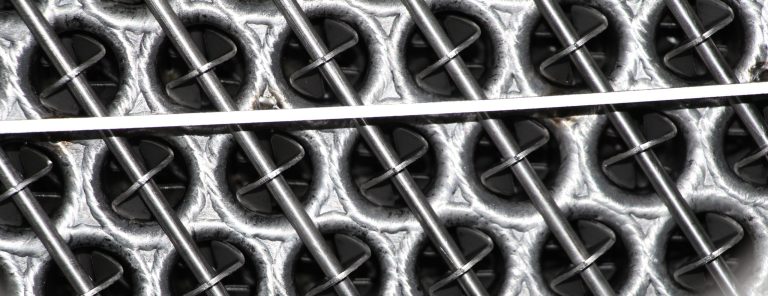
Heat exchangers
STRIKO heat exchangers for process plants.

Spare parts
Original STRIKO parts through the official partner.
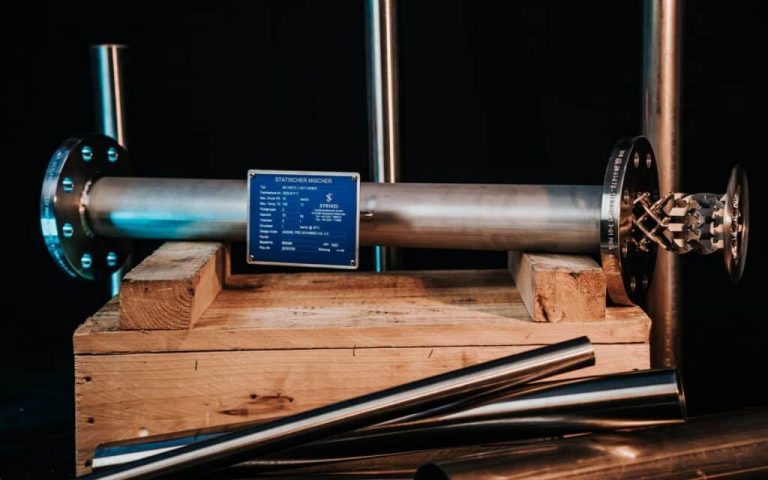
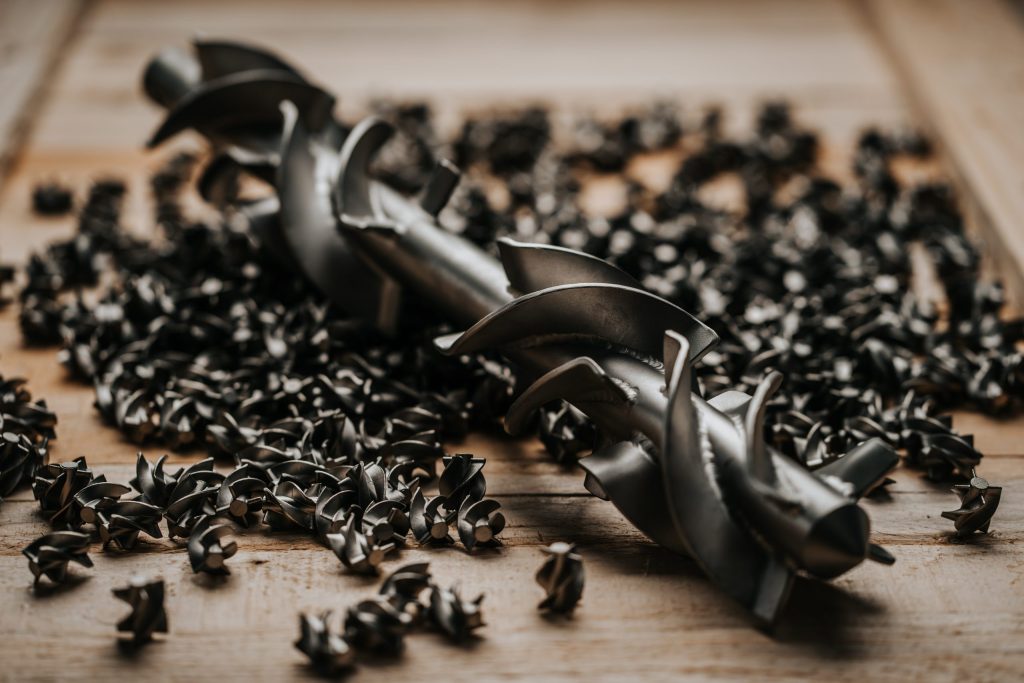
Static mixers
EREstat, Helical, STV and STX, no moving parts.
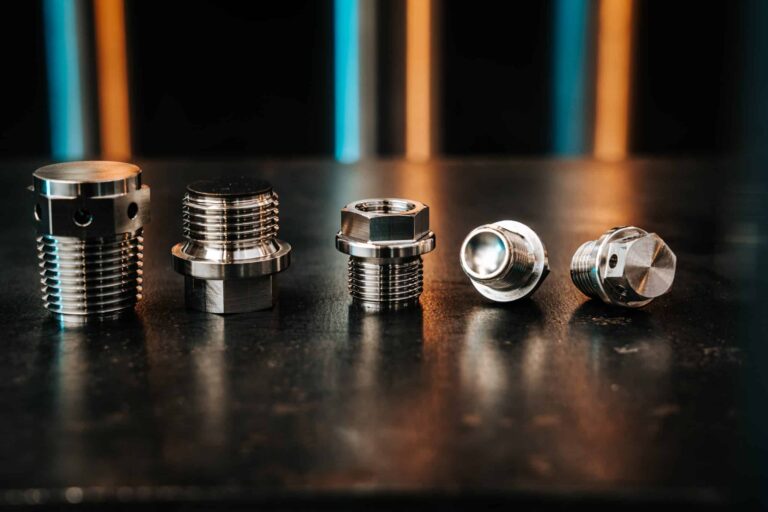
Burst plugs
Compact threaded overpressure protection.
Why buyers ask for a STRIKO rupture disc by name
A STRIKO rupture disc usually appears on a requisition for a simple reason: somebody in the project already trusts the brand. Maybe the original equipment was built with it, maybe a corporate engineering standard lists it, or maybe an engineer remembers a disc that behaved exactly as calculated during an upset years ago. Whatever the origin, the request lands on a buyer’s desk with a brand name attached, and that buyer needs a reliable route to the genuine product.
That is where we come in. For the Netherlands, Belgium and Luxembourg, Dutch Valve Vision acts as the exclusive agent of STRIKO Verfahrenstechnik GmbH. We work from Monster in the Netherlands and handle STRIKO enquiries for sites in all three countries, including projects where the engineering is done elsewhere and the equipment ends up on a Benelux plot.
This page is written for that international buyer. Think of an EPC contractor in another country designing a unit for a Belgian chemical site, or a global procurement team replacing discs at a Dutch terminal. You want to know what the STRIKO rupture disc range contains, why the manufacturer is taken seriously and how ordering through a local agent works in practice. We will cover all three, and we will be honest about where a data sheet from the factory is still needed.
A rupture disc itself is easy to describe. It is a thin, calibrated membrane that stays leak tight during normal operation and opens within milliseconds when the pressure reaches a set value. There are no moving parts and no external energy is involved. After it opens it has to be replaced. The simplicity is the whole point, yet it also means that everything depends on how accurately the disc was made and tested. That is exactly the area where the manufacturer behind the disc makes the difference.
STRIKO since 1974: what a long track record means for a rupture disc
STRIKO has been active in the rupture disc market since 1974. For a safety device, that history is more than a marketing line. A STRIKO rupture disc protects reactors, vessels and pipelines against overpressure and vacuum in chemical processing, pharmaceuticals, food production, petrochemicals and power generation. Over decades, those sectors produce a very wide range of operating conditions, and a manufacturer that has served them for that long has seen most of the ways a disc can be stressed.
Consider a typical scenario from a batch plant. A reactor runs at moderate pressure most of the day, but during cleaning it is steamed out and then cooled, which can pull a vacuum. Add cyclic pressure from charging and discharging, and the disc experiences thousands of load changes before it ever faces a real overpressure event. A disc that is only designed for the burst point will not survive that life. Designing for the whole load pattern is knowledge that builds up over time and application after application.
STRIKO is also known for solid German engineering and durable products. In our experience that shows in the way the company approaches a request: the process conditions come first and the product follows from them. STRIKO specialises in rupture discs and static mixers for viscous and highly viscous media, and that focus on demanding process conditions carries over into the rupture disc programme.
A STRIKO rupture disc is a non-reclosing pressure relief device made by STRIKO Verfahrenstechnik GmbH, a German manufacturer active in rupture discs since 1974. The range covers flat, forward acting, reverse acting, aseptic, extruder and tank container discs plus burst plugs. Dutch Valve Vision is the exclusive STRIKO agent for the Netherlands, Belgium and Luxembourg.
STRIKO active in rupture discs since 1974
Test, evaluate and recalibrate philosophy
Seven lines, from flat to burst plugs
DVV is exclusive STRIKO agent Benelux

Test, evaluate, recalibrate: the philosophy behind every STRIKO rupture disc
STRIKO describes its philosophy in three words: testing, evaluating and recalibrating. According to the manufacturer, this approach forms the basis of its success and the foundation for future growth. For a buyer, it helps to translate those three words into what they mean for the disc that eventually sits between your flanges.
Testing means that the burst behaviour of a design is not taken on faith. A rupture disc is designed with an exact burst pressure matched to the safe working pressure of the system, and the tolerance around that value depends on material properties and the manufacturing process. The only way to know that a design holds its tolerance is to burst discs and measure.
Evaluating means looking at what those tests tell you. Did the disc open where it was supposed to open? Did the opening pattern match the design? Would a change in material or thickness bring the result closer to the target? This is the part of the process that turns test data into knowledge.
Recalibrating closes the loop. When results drift, the process is adjusted until the product is back on target. For the end user this is invisible, but it is the reason a STRIKO rupture disc bought today should behave like the one bought for the same duty years ago. Consistency is what a safety engineer is really paying for, because the whole relief calculation assumes that the disc will open at the specified pressure and not somewhere nearby.
The STRIKO rupture disc range, line by line
The STRIKO programme is broad, and the right line depends on pressure, medium, hygiene requirements and the type of equipment you are protecting. Here is how we explain the range to buyers who meet it for the first time.
Flat, forward acting and reverse acting metal discs
Flat metal rupture discs are the line for standard applications. They are a straightforward solution for general process equipment where the operating pressure stays well clear of the burst pressure.
Forward acting metal rupture discs are designed for high pressure environments. The pressure acts on the concave side of the dome, which loads the material in tension until it tears open at the set pressure. This is the classic design, and it is the natural choice when a STRIKO rupture disc has to deal with high set pressures.
Reverse acting metal rupture discs are described by STRIKO as offering superior durability and efficiency. Here the pressure acts on the convex side, so the dome is loaded in compression and snaps through when the set pressure is reached. As a general engineering principle, this design copes better with pressure cycling, which is why plants with frequent load changes often look at it first.
Aseptic, extruder and tank container discs
Aseptic metal rupture discs are intended for the pharmaceutical and food industries. In those plants a disc must be cleanable and must not create dead zones where product can collect, so the design of the process side matters as much as the burst pressure.
Extruder metal rupture discs are built for demanding applications. In polymer extrusion the pressure can rise quickly when a die blocks or the viscosity of the melt changes, and a STRIKO rupture disc for this duty is designed to cope with those conditions.
Rupture discs for tank containers provide safety solutions for transport tanks. A tank container travels by road, rail and sea and experiences temperature swings and movement that a stationary vessel never sees.
Burst plugs
Burst plugs complete the programme as compact overpressure protection. They are typically mounted with a threaded connection in a line, extruder, pump or pressure vessel. The burst pressure of a plug depends on temperature, so selection has to consider the temperature during the critical scenario and not only the normal operating temperature.
Three questions that narrow the choice
In practice, three questions narrow the choice quickly. First, how high is the set pressure and how close does the operating pressure come to it? A high set pressure points towards forward acting designs, while a narrow margin combined with frequent cycles makes reverse acting worth a look. Second, what does the process side demand in terms of hygiene or product build up? If the answer involves cleaning in place or sterile production, the aseptic line enters the discussion. Third, what kind of equipment is being protected? An extruder, a transport tank and a fixed reactor each bring their own load pattern and installation constraints.
Those three answers rarely point to more than one or two candidate lines. The remaining decision is then made on medium, temperature and connection. We walk through that process with you, because a wrong line choice is not something you want to discover during commissioning.
Materials, designs and standards around the disc
Beyond the STRIKO product lines, buyers usually ask what we can offer in terms of materials and design details. The standard metal rupture disc we supply is made from 316 stainless steel, with Hastelloy and titanium as options depending on the process. Designs include flat and multi layer discs, domed discs with an X or C scored dome, and vacuum and double discs for systems that must handle both overpressure and underpressure.
For strongly corrosive chemistry we also supply graphite rupture discs, from DN25 to DN400. Graphite is naturally resistant to many acids, bases and aggressive media without an additional coating, and these discs can be mounted directly between ANSI or DIN flanges or in a holder. A TFE coating, burst detection and vacuum support are available as options.
A STRIKO rupture disc can be installed directly between flanges or in a dedicated rupture disc holder. For pulsating pressure, cyclic loads or applications where process integrity is critical, a holder is usually the better choice. It protects the disc during installation and allows a burst detection system to be integrated, so the control room knows immediately when a disc has opened.
On standards, metal rupture discs fall under recognised European and international frameworks for pressure equipment, including PED, ISO 4126, EN 14491 for explosion safety and CE marking. For holders, documentation can include EN 10204 3.1 material certificates, pressure calculations, inspection reports and traceability per component. Dutch Valve Vision itself works under an ISO 9001 certified quality management system, certified by KIWA.
Specification ready? We will prepare a targeted quote.
Send us medium, pressure, temperature and connection. Our specialists come back with a matching proposal.
Ordering a STRIKO rupture disc through Dutch Valve Vision
Why go through a Benelux agent instead of contacting the factory directly? For a site in the Netherlands, Belgium or Luxembourg, we are the official channel for STRIKO, so the product you receive is the genuine article with a clear origin. We also sit close to the plant. When a maintenance manager in Antwerp or Rotterdam needs to discuss a disc that must be replaced during a stop, a conversation with a local specialist in the same time zone saves time.
We also look beyond the disc. A STRIKO rupture disc only performs as calculated when the holder, the gaskets, the bolt load and the discharge line fit the design. We help with the selection of the right disc and holder combination, and on request we support HAZOP and safety studies. Because our core business is special valves for special services, we are used to working with EPC contractors, end users and OEMs on documentation heavy projects.
A realistic example: an engineer abroad is finishing a P&ID for a new reactor that will be built in the Netherlands. The relief study calls for a disc upstream of a safety valve, with burst detection in the space between them. The engineer knows the brand but not the local route. With us, the disc, the holder and the detection come from one source, and the questions about local installation are handled by people who know the site context.
What we need to specify your STRIKO rupture disc
A rupture disc is never selected from a price list. It is engineered to a duty. To give you a meaningful proposal, we need the medium and its composition, the operating pressure including peaks and pulsations, the required burst pressure, the temperature under normal conditions and during the relief scenario, and the connection and installation space. If vacuum can occur, tell us. If the disc is a replacement, the data of the existing disc and holder make the job much faster.
With that information we match the right STRIKO rupture disc line, material and holder to your process. You can reach us by phone on +31 (0)70-2210560 or by email at sales@dutchvalvevision.com, Monday to Friday from 09:00 to 17:00.
Frequently asked questions about STRIKO rupture discs
Question not listed? Our specialists are happy to help.
- +31 (0)70-2210560
- sales@dutchvalvevision.com
- Vlotlaan 641, 2681 TZ Monster, the Netherlands
- Mon-Fri 09:00-17:00
Who manufactures the STRIKO rupture disc?
The STRIKO rupture disc is made by STRIKO Verfahrenstechnik GmbH, a German manufacturer. The company specialises in rupture discs and static mixers for viscous and highly viscous media. It has been active in the rupture disc market since 1974. Over that time it has built a track record in chemical processing, pharmaceuticals, food production, petrochemicals and power generation. STRIKO is known for solid German engineering and durable products. Its guiding philosophy is to test, evaluate and recalibrate. Dutch Valve Vision is the exclusive STRIKO agent for the Netherlands, Belgium and Luxembourg. That means Benelux sites can source genuine STRIKO discs through a local partner.
Which types of STRIKO rupture disc are available?
The programme covers seven lines. The flat metal line covers standard duties, while the forward acting metal line targets high set pressures. Reverse acting metal discs are chosen for durability and efficiency, particularly where pressure cycles occur. For pharma and food plants there is an aseptic metal line. Extruder metal discs are built for demanding polymer processing duties. Rupture discs for tank containers protect transport tanks, and burst plugs offer compact protection with a threaded connection. Each line answers a different combination of pressure, medium and equipment. We help you decide which line suits your process conditions.
What does test, evaluate and recalibrate mean in practice?
It describes how STRIKO keeps its products consistent. Designs are tested by actually bursting discs and measuring the result. Those results are then evaluated against the intended burst pressure and opening behaviour. Where results drift, the process is recalibrated until the product is back on target. For a user, this matters because relief calculations assume the disc opens at its specified pressure. A disc that opens noticeably higher or lower undermines that calculation. Consistency between batches is therefore a safety feature in its own right. That is why we value this philosophy when we recommend STRIKO.
Which materials can a STRIKO rupture disc be made from?
The standard metal rupture disc we supply is made from 316 stainless steel. Hastelloy and titanium are available as options depending on the process. The choice depends on chemical compatibility with the medium, the operating temperature and the mechanical load. For highly corrosive chemistry, graphite rupture discs are an alternative. Graphite resists many acids and bases without an extra coating. Graphite discs are available from DN25 to DN400, with an optional TFE coating. We always select the material together with the process data and the holder. Sending a full medium description is the fastest way to a correct choice.
Do I need a holder for a STRIKO rupture disc?
Not always, because a disc can be mounted directly between flanges in straight pipe sections. A holder becomes the better option with pulsating pressure, cyclic loads or strict process integrity requirements. The holder positions the disc correctly and protects it during installation. It also makes it easier to integrate burst detection. Holders are available for forward acting discs, reverse buckling discs and vacuum support. Materials range from carbon steel and 316 or 316L stainless steel to duplex, super duplex, Inconel and Hastelloy. A good holder is designed for long term reuse while the disc is replaced after each burst. We advise on the combination as a whole.
Why buy STRIKO rupture discs through Dutch Valve Vision?
We are the exclusive STRIKO agent for the Netherlands, Belgium and Luxembourg. That gives Benelux sites a direct, official route to genuine STRIKO products. We are based in Monster in the Netherlands, in the province of South Holland. Our specialists advise on the right disc, holder and detection for your installation. We also support engineering questions and, on request, HAZOP and safety studies. KIWA has certified our quality management system to ISO 9001. Special valves for special services is our core business, so documentation heavy projects are familiar ground. You deal with one partner from specification to replacement.
Can a STRIKO rupture disc protect against vacuum?
Yes, STRIKO rupture discs are designed to protect installations against both overpressure and vacuum. Vacuum typically occurs when a vessel cools after steam cleaning or when a pump draws liquid out faster than gas can flow in. A standard disc can deform under such conditions. For this reason vacuum suitable discs, double discs and vacuum support in the holder are available. Vacuum support holders are specifically developed for processes with alternating pressure and vacuum conditions. Batch reactors and vessels with cleaning cycles benefit most from them. Please tell us whether vacuum can occur when you send your enquiry. We then take it into account from the start.
What information should I send with an enquiry?
Start with the medium and its composition. Add the operating pressure including peaks and pulsations. State the required burst pressure and the temperature, both under normal conditions and during the relief scenario. Include the connection type and the available installation space. Mention whether vacuum or pressure cycling can occur. If you are replacing an existing disc, send the data of the current disc and holder. With that information we can propose the right STRIKO line, material and holder. Where something is unclear, we ask a targeted follow up question instead of guessing.
Specify your STRIKO rupture disc with us
Send us the medium, operating pressure including peaks, required burst pressure, temperature and connection. We come back with a matching STRIKO rupture disc and holder.
- +31 (0)70-2210560
- sales@dutchvalvevision.com
- Vlotlaan 641, 2681 TZ Monster, the Netherlands
- Mon-Fri 09:00-17:00