
Forward acting rupture disc
The classic tension loaded disc explained: how it opens, which forms exist and when reverse acting is the better call.
- Exclusive STRIKO agent Benelux
- ISO 9001 · KIWA
- Engineering support from Monster (NL)
Pressure acts on the concave side
High accuracy of burst pressure
Suited for gas and liquid
STRIKO forward acting discs for high pressure
The forward acting rupture disc: the classic design
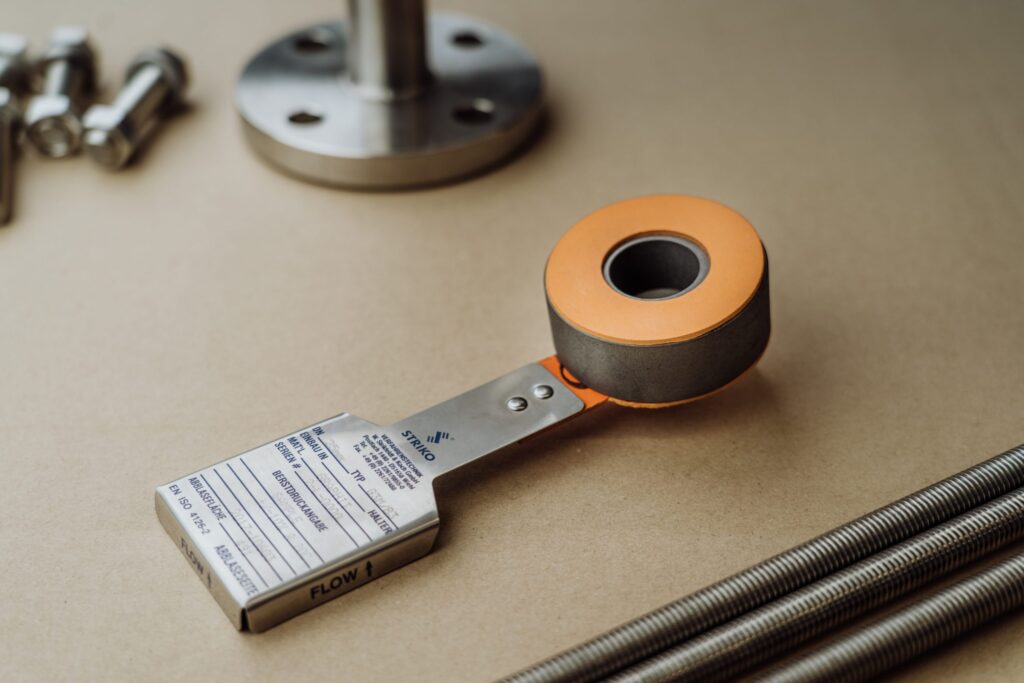
The forward acting rupture disc is the design most engineers picture when they hear the words bursting disc. A domed metal membrane, clamped between flanges or in a holder, with the process pressure pushing into the hollow side of the dome. When the pressure gets too high, the dome stretches, tears and opens. It is the classic principle in the rupture disc market and still one of the most widely used, and for good reasons.
Those reasons are refreshingly simple. A forward acting design is well understood, its burst pressure can be set with high accuracy and it works on both gases and liquids. It is easy to inspect and easy to replace. For a large share of relief positions in chemical plants, utilities and process skids, that combination is exactly what is needed, and there is no reason to make things more complicated than they are.
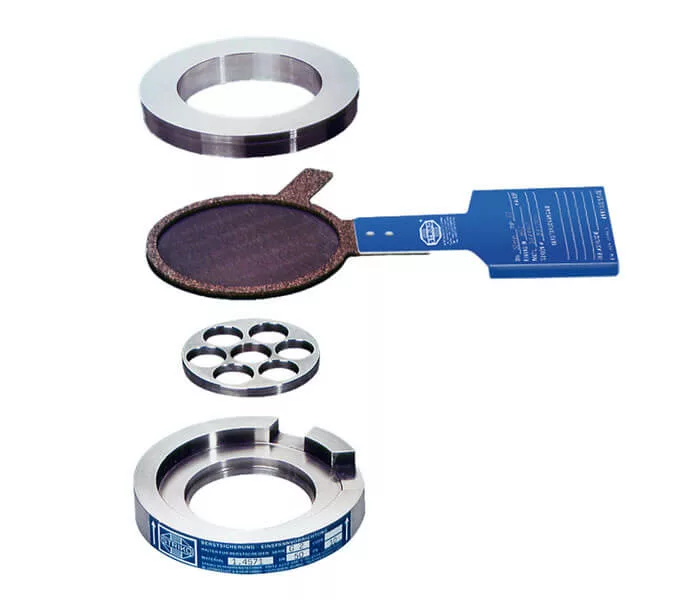
At Dutch Valve Vision we supply forward acting metal rupture discs from STRIKO Verfahrenstechnik GmbH, for whom we are the exclusive agent in the Netherlands, Belgium and Luxembourg. In the STRIKO programme, forward acting metal discs are the type designed for high pressure environments. We combine them with our forward acting holders. On this page we look at how the forward acting rupture disc behaves, which forms it comes in, where it performs best and at what point a reverse acting disc becomes the better answer.
Tension on the concave side: how a forward acting rupture disc opens
Think of a football being pumped up. The air pushes outwards on the inside of the leather, and the leather is held in tension. A forward acting rupture disc follows the same idea. The process sits on the concave side of the dome, and the pressure pulls the metal outwards in every direction. As the pressure rises, the stress in the membrane rises with it.
The burst pressure is reached when that stress exceeds what the membrane can carry. At that moment the material gives way and the disc opens within milliseconds, without a spring, stem or seat that has to move first. The medium escapes, the pressure drops and the protected equipment stays within its limits. Up to that moment the disc is a closed metal barrier that is 100% leak tight, which is exactly what you want on toxic, costly or environmentally harmful media.
Because the failure mode is tensile, the burst pressure of this type is governed mainly by the strength of the material, its thickness and the geometry of the dome. Those are properties a manufacturer can control closely, and that is the root of the high burst accuracy the design is known for. The tolerance, the permitted variation around the set burst pressure, is determined by material properties and the production process. STRIKO works to a philosophy of testing, evaluating and recalibrating, which is what keeps that tolerance under control over time.
There is a flip side, and it is better to name it early. A membrane loaded in tension feels every pressure peak. If the operating pressure regularly climbs towards the burst pressure and falls back, the material is stretched and relaxed again and again. That is the scenario where fatigue becomes a concern and where the comparison with reverse acting starts to matter.
Plain, scored, flat and multi-layer forms
Forward acting is a principle rather than a single product, and within that principle several forms exist, each with its own purpose.
The domed disc is the traditional version. For a controlled bursting action, the dome can be provided with X or C shaped cuts. These define the lines along which the disc opens and give a specific, predictable bursting pattern. That helps where the shape of the opening matters, for example when the disc sits upstream of equipment that should not receive loose pieces of metal.
Flat and multi-layer discs form a second group. The flat disc is the basic version for general process applications. In a multi-layer construction, several layers work together, which adds strength and reliability at higher pressures. Depending on the design, the layered build can also combine a load carrying layer with a layer that takes care of sealing.
Materials follow the process. Our standard metal disc is made of 316 stainless steel, with Hastelloy and titanium available as options. The choice is based on chemical compatibility with the medium, the working temperature and the mechanical load. For corrosive chemistry where metal is not the right answer at all, graphite rupture discs are a separate route, which we cover on a page of their own.
A forward acting rupture disc has the process pressure on the concave side of the dome, so the metal is loaded in tension and tears open once the set burst pressure is reached. It is the classic design, known for high burst pressure accuracy and suitable for both gas and liquid service. For processes with frequent pressure cycles or high temperatures, a reverse acting disc is often the better choice.
Burst accuracy, gas and liquid: where a forward acting rupture disc shines
Our forward acting holders are known for three qualities: high accuracy of the burst pressure, suitability for gas and liquid applications, and easy inspection and replacement. Together those three describe the natural home of the forward acting rupture disc.
Take a gas buffer vessel on a compressor skid, running at a steady pressure with only small variations. The margin between normal operation and burst pressure is comfortable, the medium is a gas and the main requirement is that the disc opens at exactly the right pressure when a control fault pushes the pressure up. A forward acting disc is a clean, proven choice for that position.
Now take a liquid filled section of pipe that can be blocked in between two valves. When the sun heats that section, or when a steam tracing circuit is left on, the liquid expands and the pressure rises steeply. Liquid carries little stored energy, so the relief device must open reliably without a large volume of gas behind it. A disc that fails in tension is well suited to that kind of liquid duty.
Cryogenic systems and steam systems are two more examples. Metal rupture discs are used in the storage of liquefied gases such as LNG, to relieve pressure peaks caused by temperature changes, and in steam boilers and steam circuits to protect against overpressure during rapid load changes. In each case the questions are the same: how steady is the pressure, how much margin is there, and which medium does the disc see.
What we need for the right selection
- Medium and composition
- Operating pressure and pressure peaks
- Required burst pressure
- Temperature, normal and in the relief scenario
- Connection and installation space
Designs in the STRIKO range
Every application needs its own rupture disc. These are the designs we supply most often.
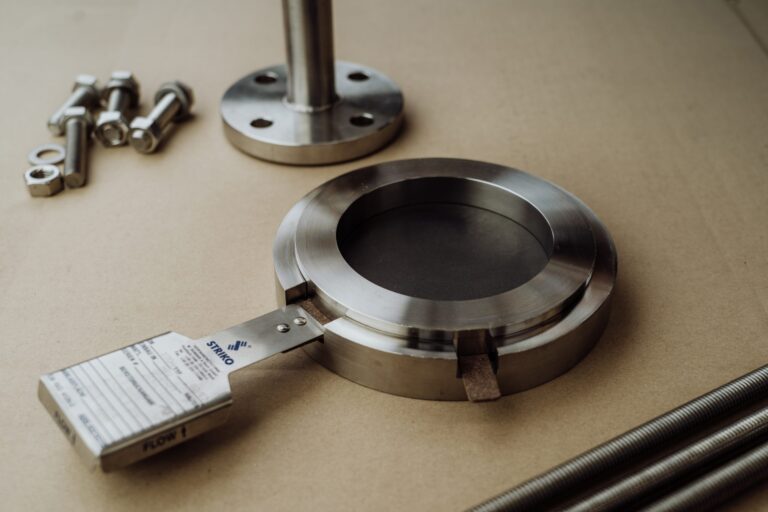
Graphite rupture disc
Corrosion resistant without coating, DN25 to DN400, between ANSI or DIN flanges.

Rupture disc holder
Correct positioning, reproducible loading and a reliable seal.
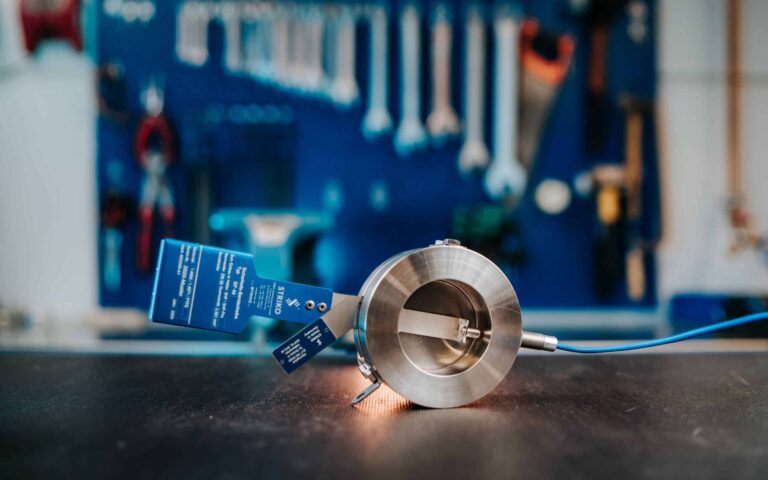
Burst indicator
Signals an opened disc directly to PLC, SCADA or DCS.
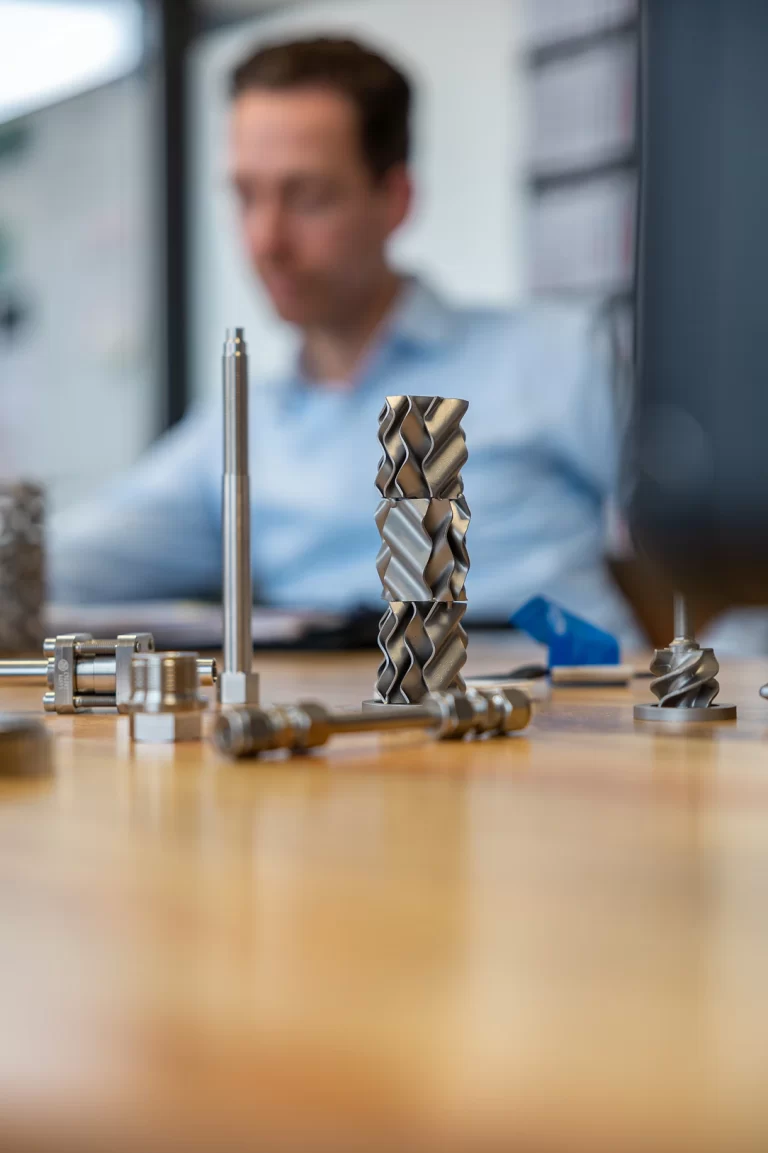
Reverse acting rupture disc
Loaded in compression, resistant to pressure cycling.
Choosing between a forward acting rupture disc and a reverse acting disc
This is the question we hear most often, and the honest answer is that neither type is better in general. The process decides.
A forward acting rupture disc makes sense when the operating pressure is steady, when there is a comfortable margin between operating pressure and burst pressure, when burst accuracy is the leading requirement and when the medium may be gas or liquid. It is also the familiar design for many maintenance teams, which counts for something during a hectic shutdown.
A reverse acting disc takes over when the process cycles heavily, when the plant has to run close to the burst pressure or when temperatures are high. Because the dome is loaded in compression, reverse buckling designs offer higher resistance to pressure cycles, better performance at high temperatures and a lower risk of fatigue. That allows a higher ratio between operating pressure and burst pressure and a longer service life in cyclic duty.
A practical test is to look at the pressure trend of the past months. If the line is flat and well below the burst pressure, forward acting is usually the logical choice. If the line looks like a saw blade and touches the upper part of the range, reverse acting deserves a serious look. An engineer drawing a P&ID for a new unit can make that call early, simply by asking the process team what the pressure will do in normal operation, during start up and during cleaning. We are happy to join that conversation and weigh the options with you.
Specification ready? We will prepare a targeted quote.
Send us medium, pressure, temperature and connection. Our specialists come back with a matching proposal.

Vacuum, back pressure and the forward acting holder
A forward acting dome is shaped to resist pressure from the concave side. Pressure from the other side, caused by vacuum in the vessel or back pressure in the discharge line, pushes the dome the wrong way. When that happens, the disc can flip over or be damaged, and its burst pressure is no longer what the tag says.
For processes with alternating pressure and vacuum, vacuum support is the answer. Vacuum support holders prevent the disc from flipping over or being damaged and are essential in batch processes and cleaning cycles. Vacuum suitable discs and double discs are available for systems that must cope with both overpressure and underpressure.
The holder itself is more than a clamp. It positions the disc, applies a controlled and reproducible load, seals under operating pressure and guides the opening. Our holders are built with tight tolerances, sealing faces with controlled roughness, clear flow and installation markings and a consistent bolt load. Leak detection ports can be integrated, and the holder can carry a burst detection sensor that signals the opening to your PLC, DCS or SCADA system. Holders are available in carbon steel, 316/316L stainless steel, duplex, super duplex, Inconel and Hastelloy, and are designed in line with ASME Section VIII, EN ISO 4126 and PED 2014/68/EU, with ATEX where applicable.
Metal discs can also be clamped directly between flanges in systems with straight pipe sections. For pulsating pressure, cyclic loading or positions where process integrity matters most, a holder is the better route. It protects the disc during installation, makes it possible to add detection and gives a better distance to other safety equipment.
Inspection and replacement in daily practice
Easy inspection and replacement sound like small advantages until you are the one standing on a platform at the end of a long night shift. A forward acting disc in a well designed holder can be checked visually, and the holder stays in place while only the disc is changed. The holder is designed for long term reuse without loss of performance, so the work after an opening is limited to cleaning the seating faces, fitting a new disc and closing the flanges again.
A few habits make that work reliable. Check that diameter and burst pressure on the tag match the specification. Keep flanges clean and aligned, centre the gaskets, respect the flow direction arrow and tighten the bolts evenly to the recommended torque. Never fit a disc that has been dropped or dented, because even small defects can change the burst pressure. And keep spare discs in stock for every critical position, so a disc that has done its job does not turn into days of lost production while a replacement is arranged.
Specifying a forward acting rupture disc with Dutch Valve Vision
A good specification prevents most problems before they ever reach the plant. When you ask us for a forward acting rupture disc, we look at the complete relief case. We need the medium and its composition, the operating pressure including peaks, the required burst pressure, the temperature in normal operation and in the relief scenario, the connection and the available installation space. Information about vacuum or back pressure and any wish for burst detection completes the picture.
With those data we select the disc form, the material and the holder as one combination. Our holders come with material certificates to EN 10204 3.1, pressure calculations, inspection reports and traceability per component. Our own quality management system is ISO 9001 certified by KIWA, and we deliver to both DIN and ANSI/ASME. When a relief position has to be substantiated in a HAZOP or another safety study, we support that work, and FEM analyses are available on request.
Do you have a disc position to fill, a spare to order or a doubt about forward versus reverse acting? Our team is reachable at sales@dutchvalvevision.com and on +31 (0)70-2210560, Monday to Friday from 09:00 to 17:00. From our office in Monster we will propose the forward acting rupture disc and holder that match your process.
Frequently asked questions about forward acting rupture disc
Question not listed? Our specialists are happy to help.
- +31 (0)70-2210560
- sales@dutchvalvevision.com
- Vlotlaan 641, 2681 TZ Monster, the Netherlands
- Mon-Fri 09:00-17:00

What does forward acting mean for a rupture disc?
Forward acting describes the direction in which the process pressure loads the disc. The pressure acts on the concave side of the dome, the hollow side. That puts the metal in tension, much like the skin of an inflated balloon. When the tension exceeds what the membrane can carry, the disc tears open. This is the classic rupture disc design and still one of the most widely used. The opposite type is the reverse acting disc, where the pressure acts on the convex side. In our range, the STRIKO forward acting metal discs are designed for high pressure environments. We pair them with forward acting holders for accurate and reproducible performance.
How accurate is the burst pressure of a forward acting rupture disc?
High burst accuracy is one of the main strengths of this design. Because the disc fails in tension, its burst pressure depends on material strength, thickness and dome geometry. Those properties can be controlled closely during manufacturing. The tolerance, meaning the permitted variation around the set burst pressure, is determined by material properties and production. STRIKO keeps that tolerance under control with its philosophy of testing, evaluating and recalibrating. The holder plays its part too, because an uneven clamping load can shift the actual burst pressure. Our forward acting holders are built with tight tolerances and a consistent bolt load for that reason. Accuracy is therefore the result of disc and holder working together.
Can a forward acting rupture disc be used for liquids?
Yes, forward acting discs are suited for both gas and liquid applications. That is one of the qualities our forward acting holders are known for. A typical liquid case is a pipe section that can be blocked in between two valves. When that section heats up, the liquid expands and the pressure rises quickly. Liquid holds little stored energy, so the disc must open reliably without a large gas volume behind it. A disc that fails in tension handles that duty well. We still check the complete relief case, including temperature and possible back pressure. Send us the medium and the scenario and we will confirm the right combination.
Why do forward acting discs sometimes open too early?
The most common cause is fatigue from repeated pressure cycles. A forward acting disc is stretched with every pressure peak and relaxes again afterwards. When the operating pressure regularly approaches the burst pressure, that repeated stretching can weaken the material. Damage during handling or installation is another cause, since even small defects can affect the burst pressure. An uneven or incorrect bolt load in the holder can also shift the burst pressure. Vacuum or back pressure that pushes the dome the wrong way is a third possibility. If a disc keeps opening early, we look at the pressure trend, the installation and the holder together. Often a reverse acting disc or vacuum support solves the problem for good.
What is the purpose of X or C cuts in a forward acting disc?
X and C shaped cuts in the dome give a controlled bursting action. They define the lines along which the disc opens. That produces a specific and predictable opening pattern. This is useful where the shape of the opening matters for the relief flow. It also helps where downstream equipment should not receive loose pieces of the disc. Domed discs with X or C cuts are part of the metal disc range we supply. Which pattern suits your position depends on the medium, the pressure and the layout of the discharge line. We select the pattern together with the disc material and the holder.
Does a forward acting rupture disc need vacuum support?
Only if the disc can see pressure from the wrong side. A forward acting dome is shaped to resist pressure on its concave side. Vacuum in the vessel or back pressure in the discharge line pushes the dome the other way. Without support, the disc can flip over or be damaged, and the burst pressure changes. Vacuum support holders prevent that and are essential in batch processes and cleaning cycles. Vacuum suitable discs and double discs are available for systems that face both overpressure and underpressure. Tell us whether vacuum can occur during emptying, cooling or cleaning. We then include the right support in the proposal.
Can a forward acting disc be installed without a holder?
Metal rupture discs can be clamped directly between flanges in systems with straight pipe sections. That is a simple and compact solution for suitable positions. For pulsating pressure, cyclic loading or where process integrity matters most, a holder is the better choice. A holder protects the disc during installation and applies a reproducible clamping load. It also makes it possible to integrate burst detection and leak detection ports. The holder is designed for long term reuse, so only the disc is replaced after an opening. We advise per position which route fits best. In many critical services the holder is what makes the burst pressure truly reproducible.
When should I switch from forward acting to reverse acting?
Consider switching when the process cycles heavily or runs close to the burst pressure. Those are the conditions in which tension loading leads to fatigue. High process temperatures are another reason to look at reverse acting. Reverse buckling designs offer higher resistance to pressure cycles and better performance at high temperatures. They also allow a higher ratio between operating pressure and burst pressure. If your pressure trend is steady and well below the set point, forward acting usually remains the logical choice. A disc that repeatedly opens too early is a clear signal to review the choice. We are glad to compare both options against your process data.
Specify the right forward acting disc
Send us the medium, operating pressure with peaks, burst pressure, temperatures, vacuum or back pressure and the connection. We will advise disc and holder.
- +31 (0)70-2210560
- sales@dutchvalvevision.com
- Vlotlaan 641, 2681 TZ Monster, the Netherlands
- Mon-Fri 09:00-17:00